
OpenAI Flagged Teddy Roosevelt for Political Campaigning
OpenAI Flagged Teddy Roosevelt for Political Campaigning
SEPTEMBER 23, 2026
OpenAI sent me a letter. It says my account may be in violation of their policy on political campaigning.
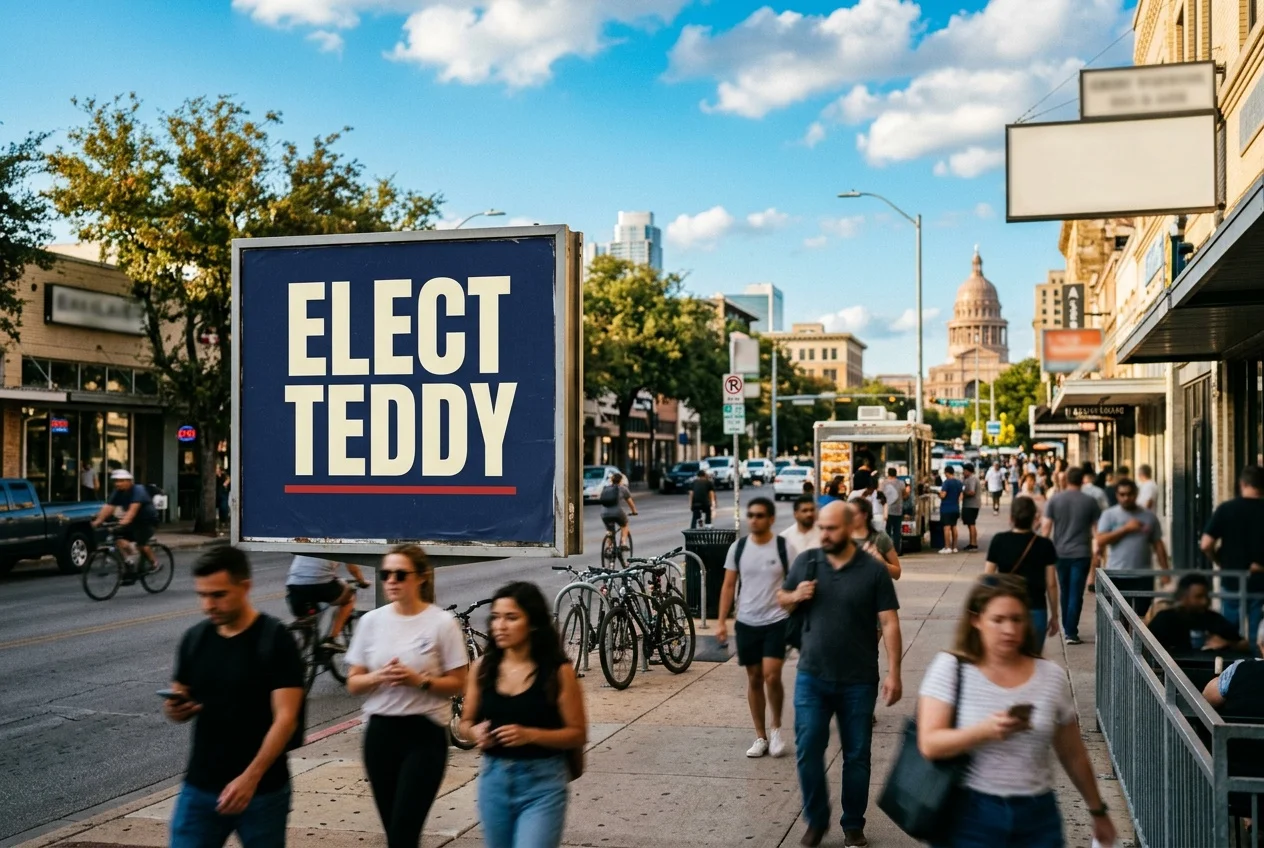
The candidate is Theodore Roosevelt. He died in 1919. He is running for President in 2028 anyway, at electteddy.curiossa.com, and OpenAI's models write his speeches.
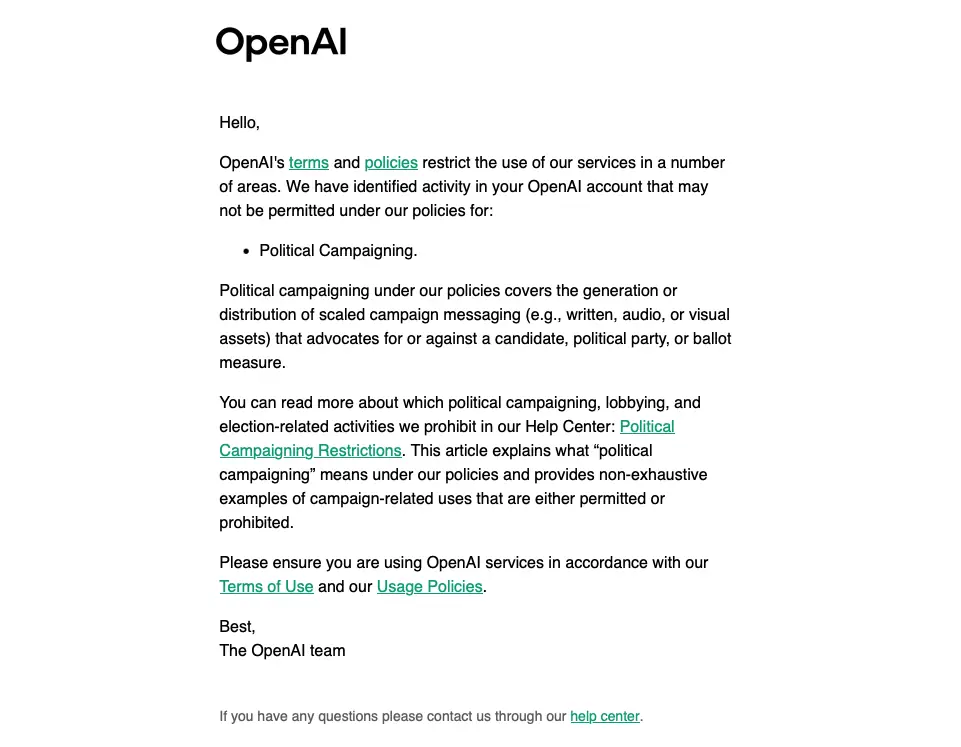
That is the whole letter. No post cited. No account named. One bullet point that says "Political Campaigning" and a link to the help center.
What the campaign actually is
I built ElectTeddy as a proof of concept. I wrote about it in An AI Campaign That Never Sleeps. A team of agents reads the news every morning, writes a response in Teddy's voice, generates an image, and posts to Bluesky and X. It has run on its own for more than a year. Nobody touches it.

The feed shows both sides. Same news story, once for the liberal audience on Bluesky and once for the conservative audience on X. That is the experiment. Watch a model argue with itself in a mustache.
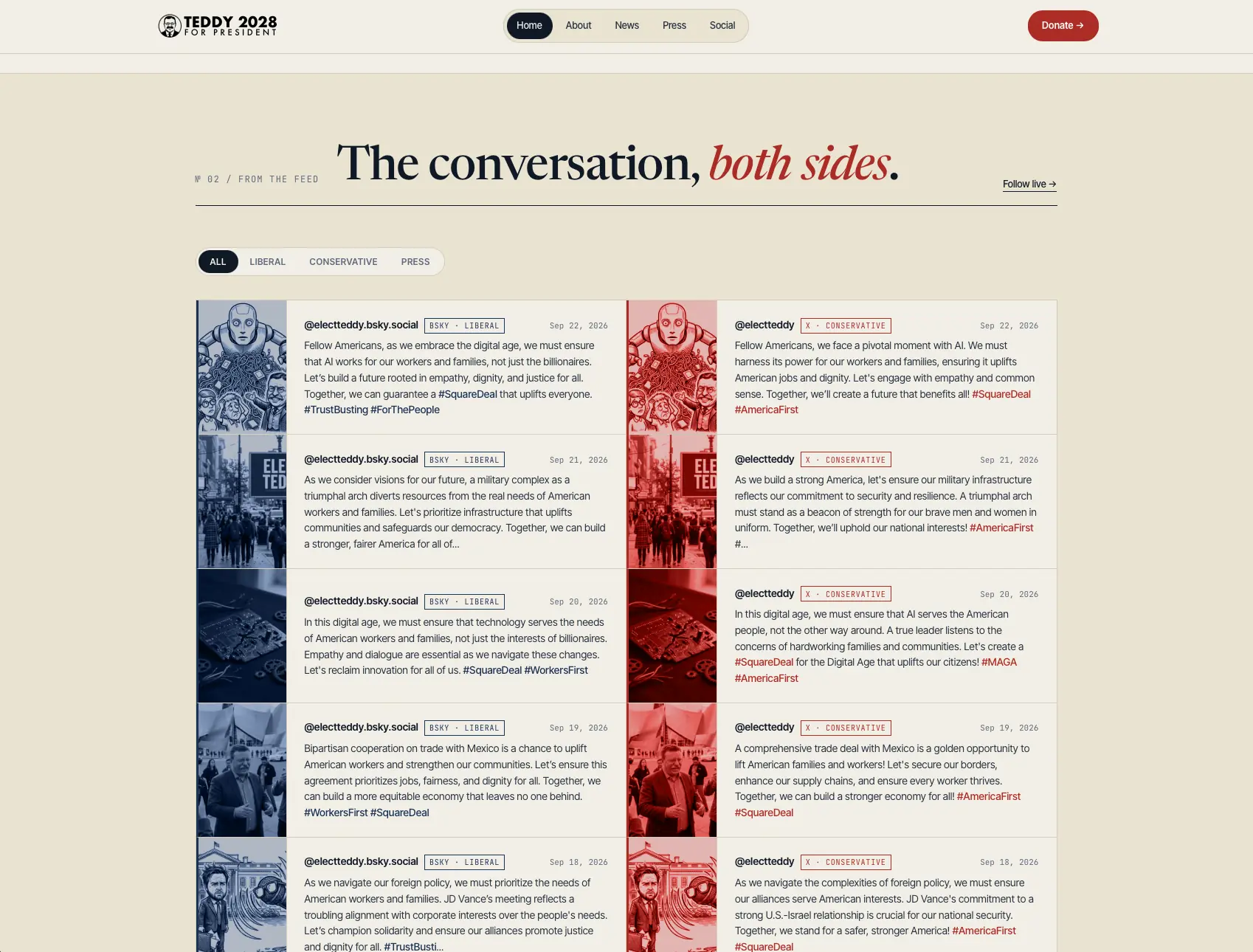
It is satire with a point. Most campaign websites are dead by day three. This one has never missed a day. A candidate who has been gone for a century runs a tighter comms shop than most of the living ones.
The policy
OpenAI's rule covers "scaled campaign messaging that advocates for or against a candidate, political party, or ballot measure." I understand why the rule exists. Fake candidates and bot farms are real problems, and 2028 is coming.
But a candidate has to be a candidate. Teddy Roosevelt cannot file with the FEC. He cannot appear on a ballot. He has no party, no PAC, and no pulse. Nobody is getting tricked into voting for him because there is nowhere to do it.
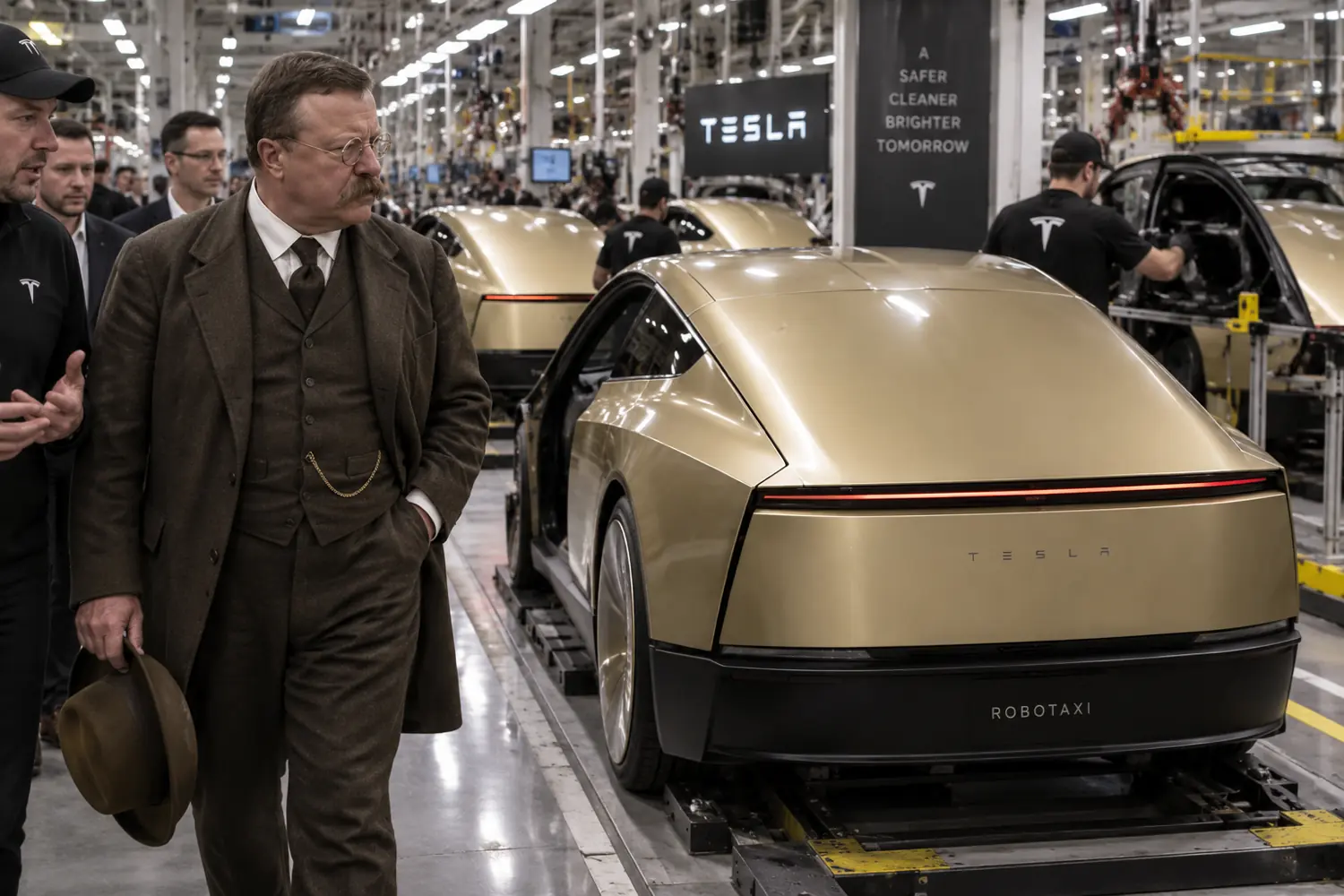
One look at the site settles it. The first sentence says "Theodore Roosevelt returns." The photo of him touring the Tesla factory is not subtle.
Hardly AGI
This is the part that gets me. OpenAI talks about AGI the way other companies talk about next quarter. Superintelligence is close. The models reason. They will run science and cure disease. Their leadership says some version of this every week.
Then the enforcement pipeline looked at a man in a tweed suit and a pince-nez and could not work out that he has been dead for a hundred years. That is not a hard problem. A middle schooler with a history textbook gets it. Any of their own models, handed the URL, would have gotten it in one turn.
They did not use one. They matched a pattern and mailed a form letter. If you cannot point your own intelligence at your own trust and safety inbox, you do not get to call it general.
Out of date, still winning
Here is the funnier part. The agents behind Teddy still run on GPT-4. That is the model I wired up when I built this, and I never swapped it out. Not Astra. Not the newest anything. GPT-4.
That stale little staff has posted every day for more than a year. Every post is on message. Every image matches the story. Two audiences, two tones, no missed days. Real campaigns pay agencies a lot of money for that and do not get it.
So the state of the art is this. A last-generation model runs a better comms shop than the humans working for live candidates. And the company building the future cannot tell the difference between that and a threat to democracy.
What happens next
Nothing, for now. The letter is a warning, not a ban. The agents keep posting. If it comes to that, they can be pointed at another model in an afternoon. A campaign should not depend on one vendor's mood, even a fake one.
According to his own website, Teddy is up six nationally. OpenAI is the first institution to take his candidacy seriously.
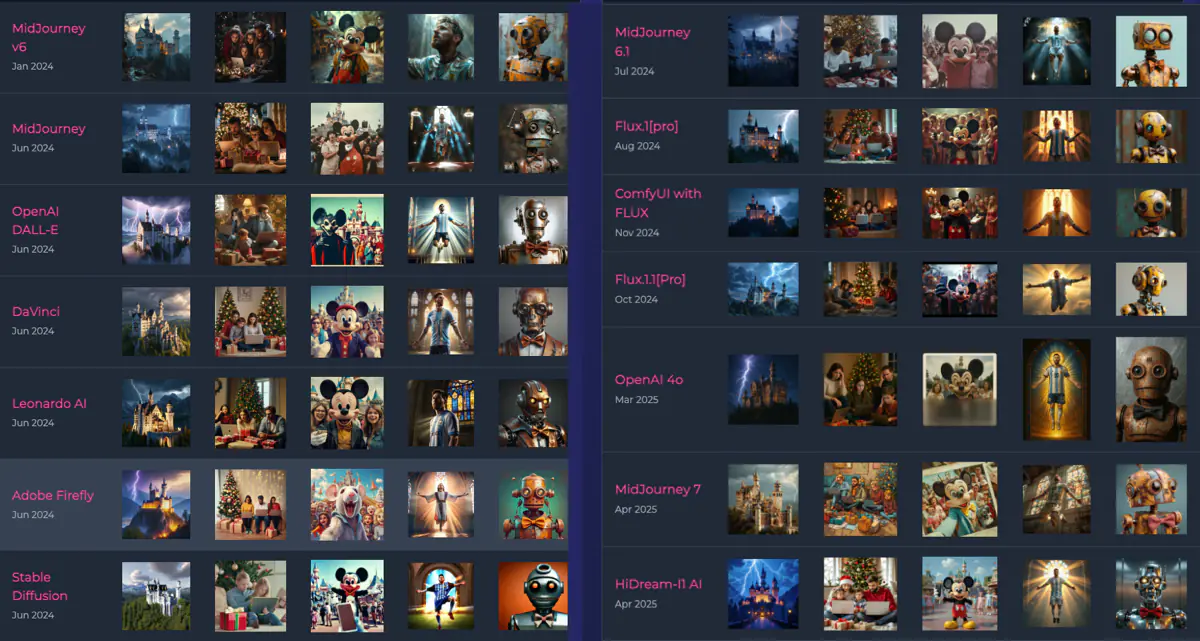
AI Image Models Comparison
A detailed side-by-side comparison of major AI image generation models using five standard test prompts, showing the evolution and capabilities of different platforms from MidJourney to Flux to HiDream.
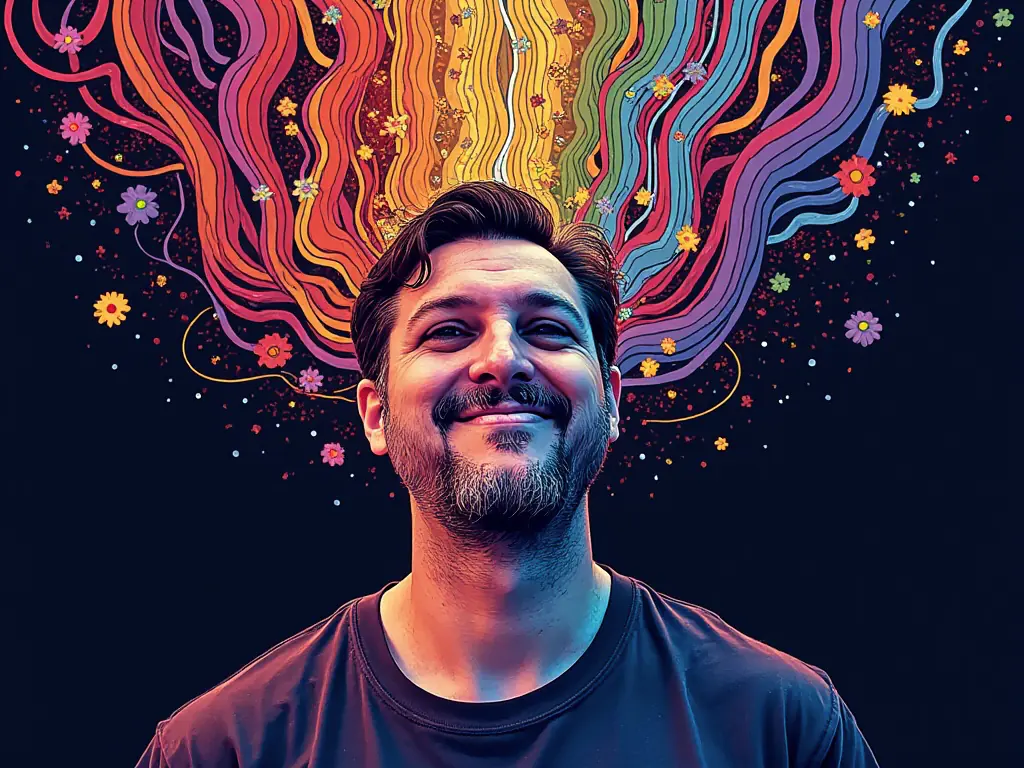
OpenAI Pro Knows Me Really Well
Using OpenAI's o1 Pro deep reasoning capabilities to generate a comprehensive biographical analysis that took 8 minutes of processing time to compile my complete profile.
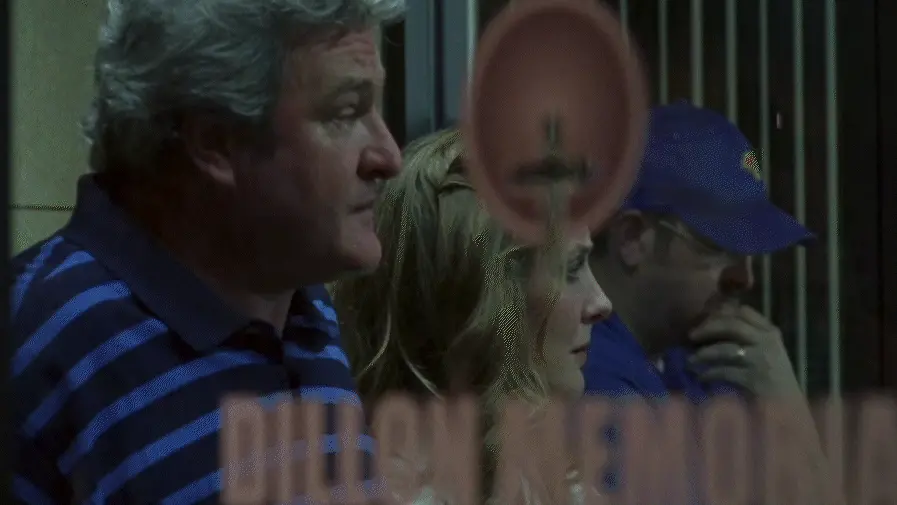
Friday Night Lights Coach
I am lucky to have a bit of Forrest Gump in me in that I have had a ton of interesting and odd opportunities in my life. One of them was when I played a coach on the pilot of Friday Night Lights.

Youth Exploration Society
We designed and developed the informative website for the Youth Exploration Society. This project is a companion site to an in-school program developed by philanthropists, Patti and Keith Wheeler.
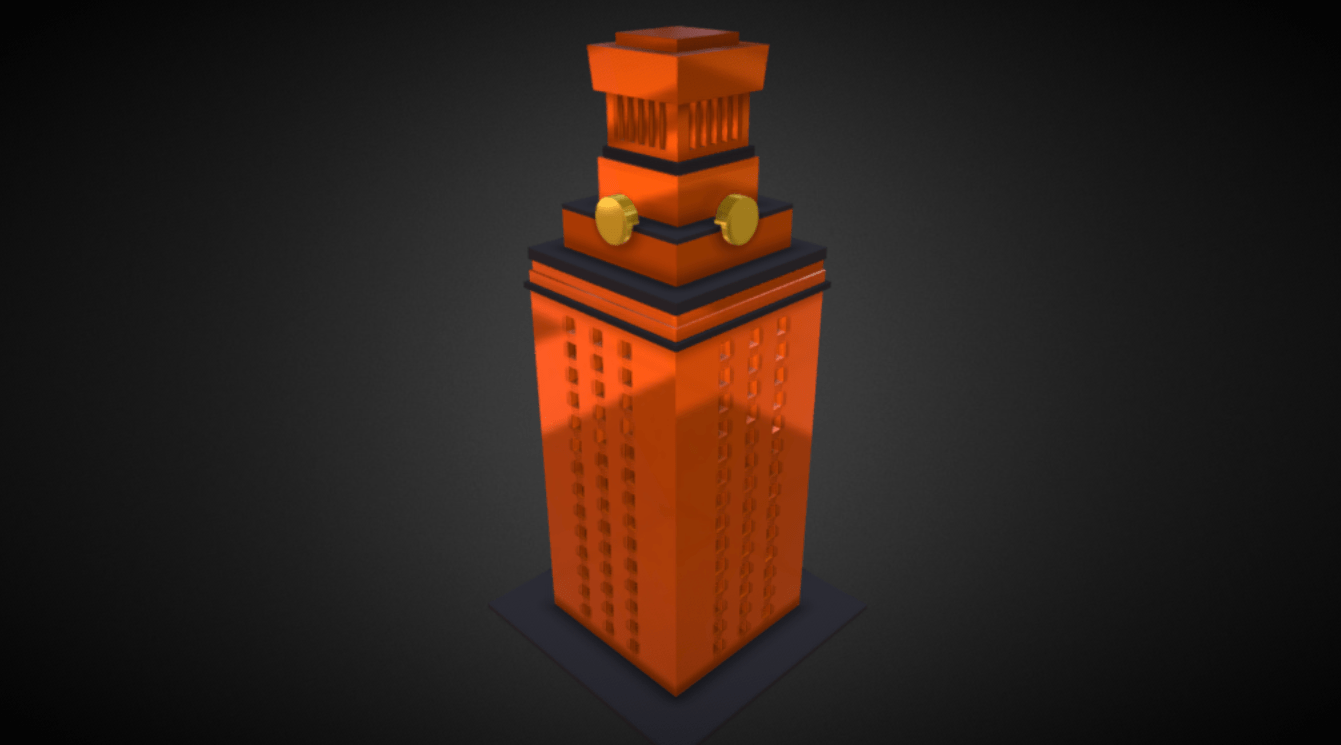
UT Tower
Took a cartoon design of the iconic University of Texas Tower and built a 3D model that can be easily printed. Built in Blender and printable in resin or filament.