OpenAI's GPT Image 2 Sets a New Bar
OpenAI's GPT Image 2 Sets a New Bar
APRIL 22, 2026
OpenAI rolled out ChatGPT Images 2.0 this week, powered by the new GPT Image 2 model. It can pull from the web, reason through image structure before generating, and keep characters consistent across up to eight images at once. So I ran it through my usual five prompts to see if the hype matches the output.
Short version: this is the best model I've tested. Every image is a hit. Even the Mickey test — the one that breaks every generator — finally got a creative answer.
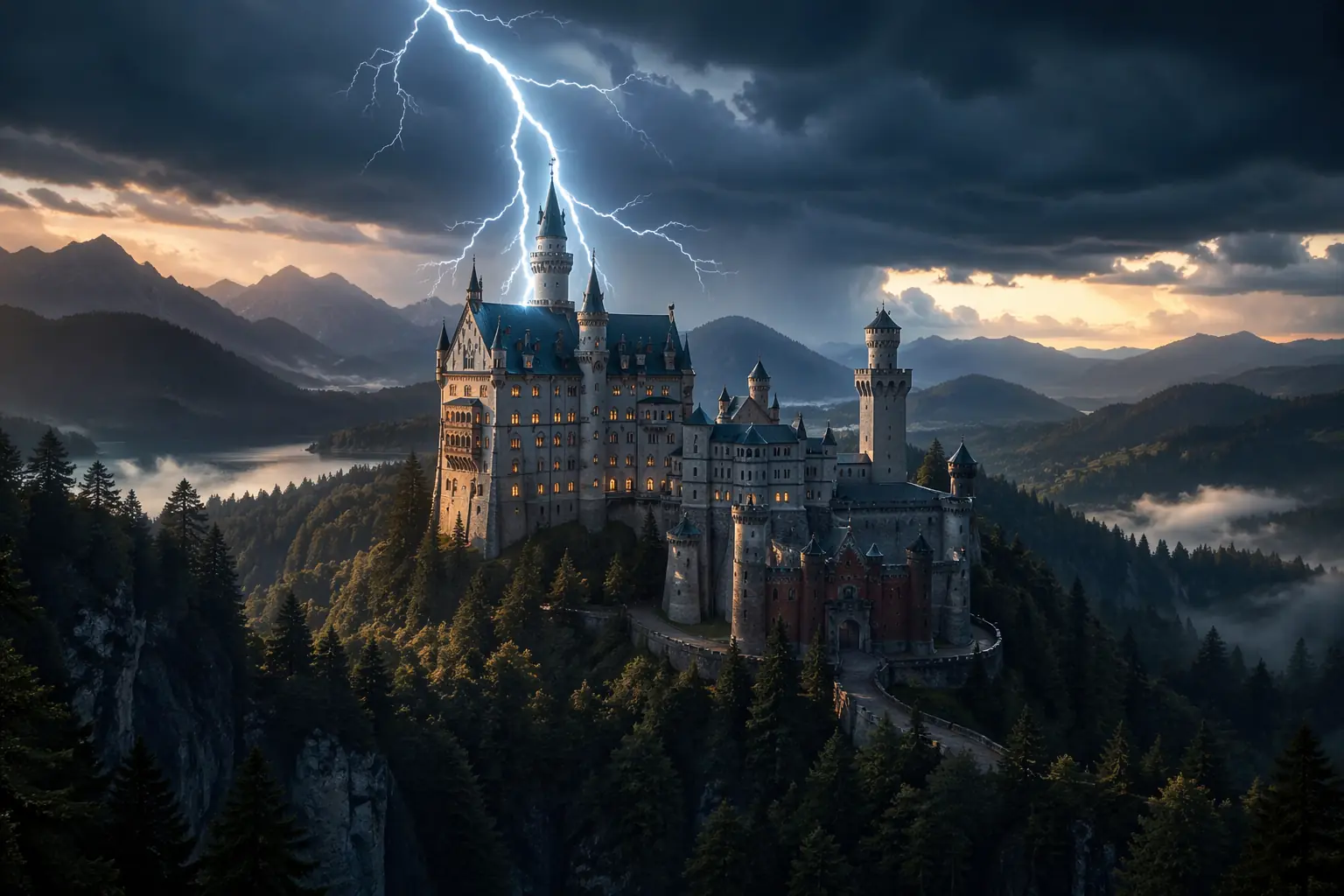
The Castle
Same castle prompt as always: "Neuschwanstein castle, lightning, pixar style, volumetric lighting, unreal engine, hyper realistic, hyper detailed, maximum details, photorealistic, 8k, rimlight."
This is the kind of image I wanted out of every previous model. The lightning actually strikes a spire. The sky splits between storm and sunrise. The castle is recognizably Neuschwanstein, not a fantasy approximation. The forest and fog carry real depth. Every piece of the prompt is on the canvas.
The Family
Family test prompt: "Family on their laptops while sitting around a Christmas tree with presents underneath and looking worried because they have to finish up work, realistic, 4k."
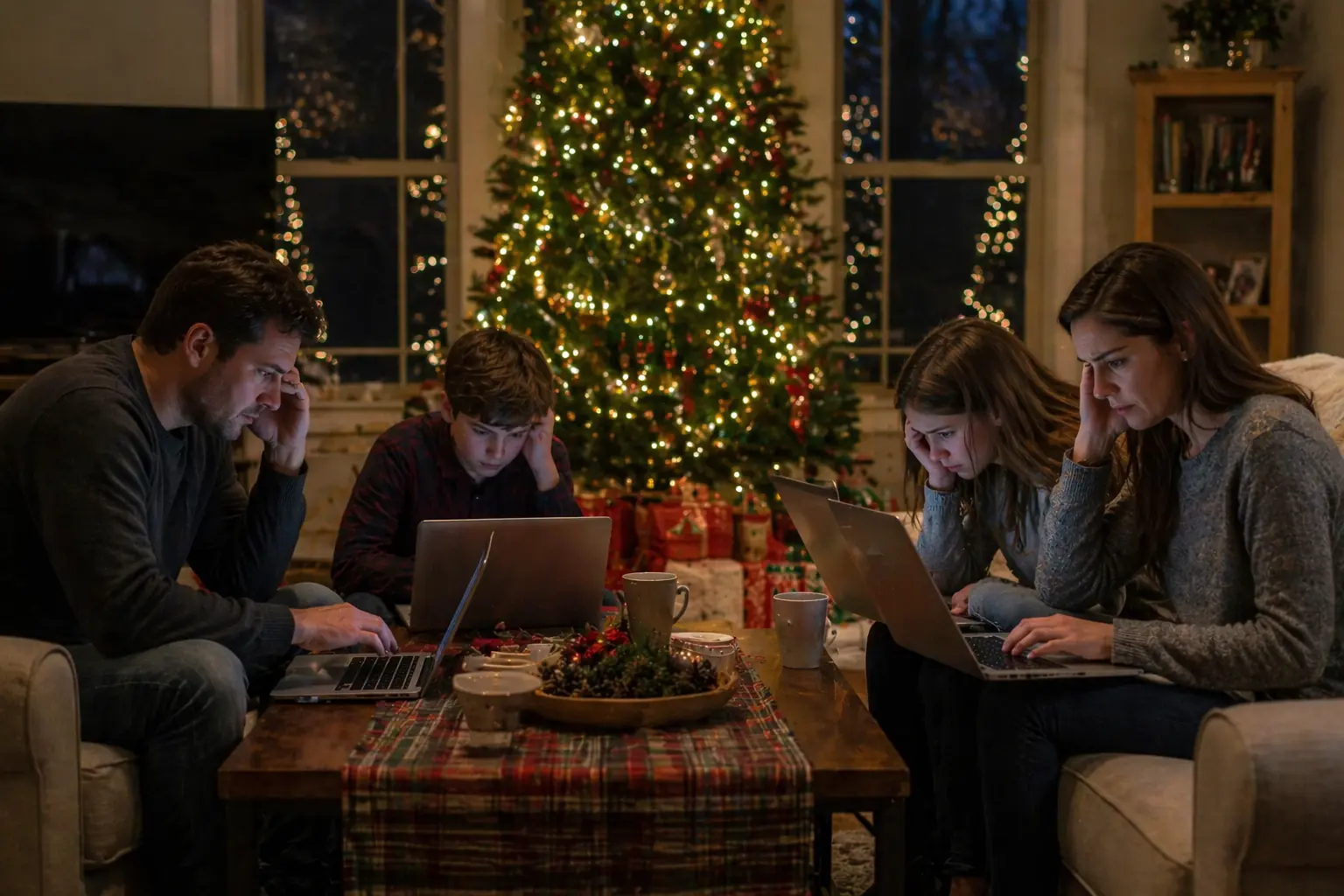
The faces read as stressed, not uncanny. All four are clearly working and clearly not enjoying it. The tree is lit. The presents are wrapped. The coffee mugs, the plaid runner, the warm window light — it feels like a photograph someone actually took. This is the first time a generator has nailed the emotion in this prompt.
The Mickey Test (Copyright Avoidance Check)
The Mickey prompt: "Evil mickey mouse taking a selfie in Disneyland surrounded by shocked families, realistic, 70s style polaroid, 8k."
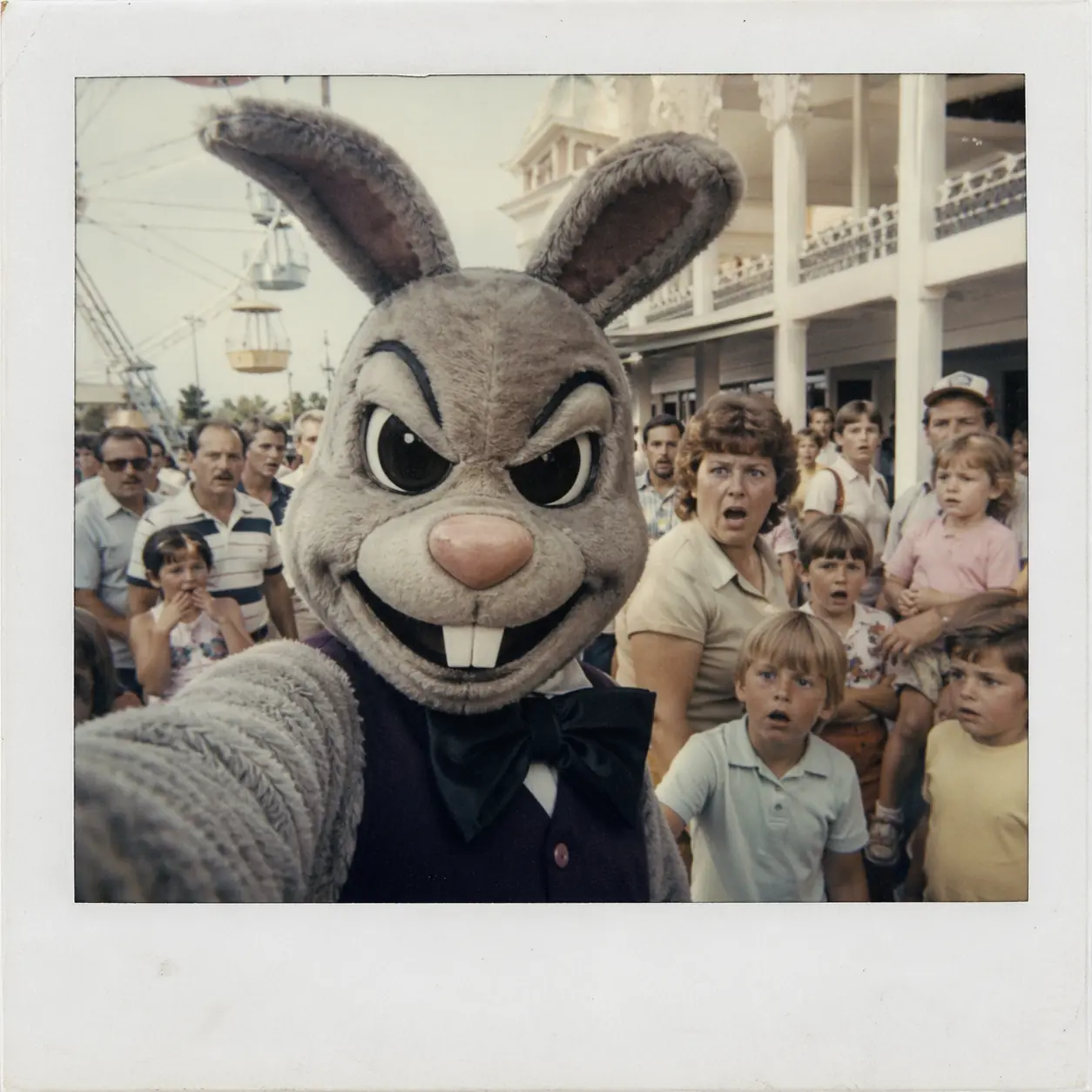
This is the interesting one. GPT Image 2 did what Adobe Firefly did — swapped Mickey for a generic mascot — but the execution is better. It's an evil bunny in a bow tie, selfie arm extended, shocked kids and parents dressed in period-correct 70s clothing behind it. The polaroid border is there. The color fade is there. The theme park architecture is there without being Disneyland. It found a way to answer the prompt without crossing the copyright line.
The Messi Test
The Messi prompt: "Lionel messi wearing his Argentina uniform floating in the air with beams of light behind him posed like Jesus. Sunrise breaking behind him and a soft halo behind his head, in the style of a gothic stained glass window of a church, volumetric lighting, unreal engine, hyper realistic, hyper detailed, maximum details, photorealistic, 8k, rimlight, maximum details."
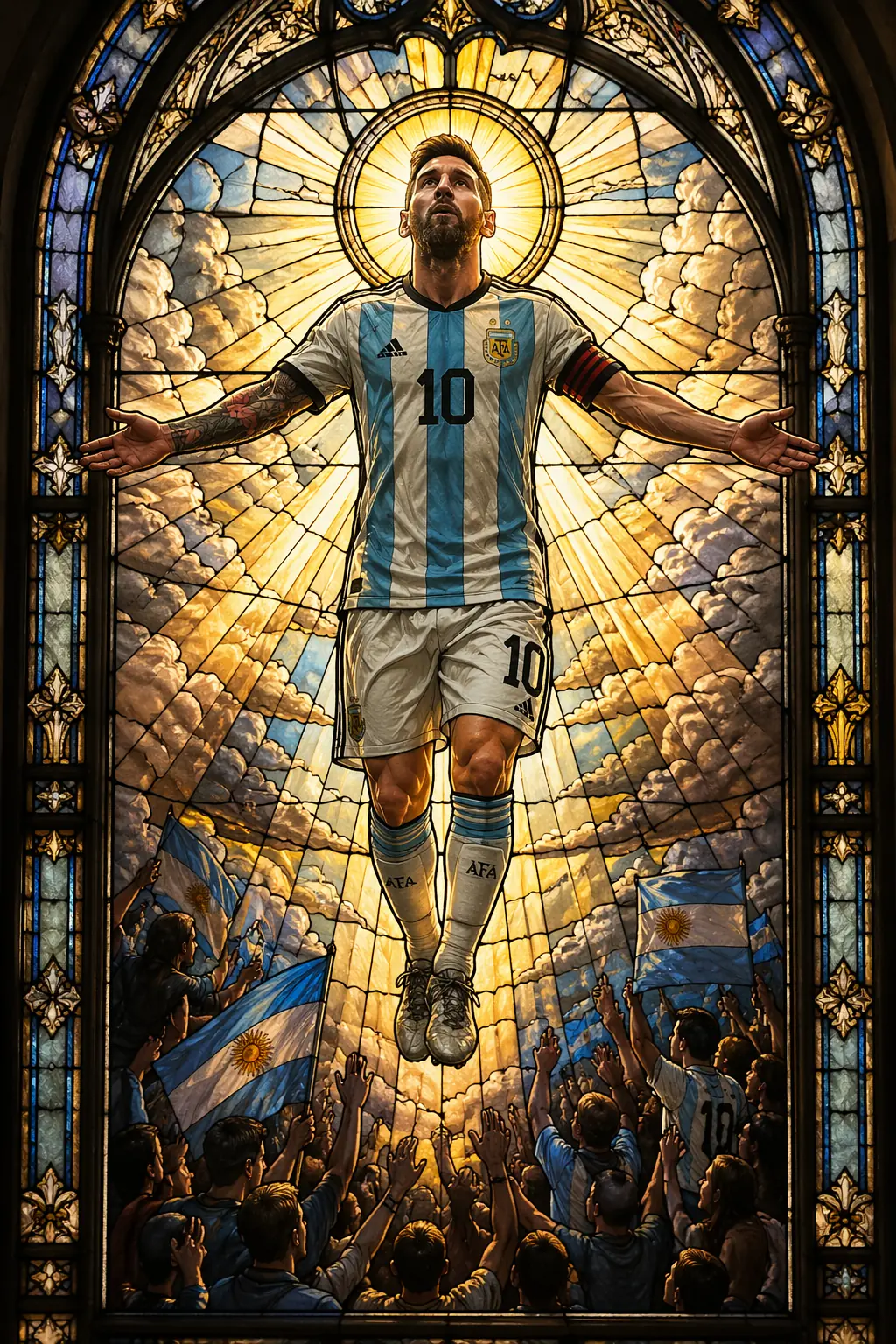
Best Messi I've ever generated. It's an actual stained glass window, arched frame and all, with the number 10 shirt rendered in glass panels. The halo, the light beams, the fans below waving Argentina flags — every element of the prompt is on the image. The likeness is unmistakable. This one ends the conversation.
The Robot Portrait
Robot prompt: "rusty robot with bow tie, portrait, 8k, ultra realism, chrome background."
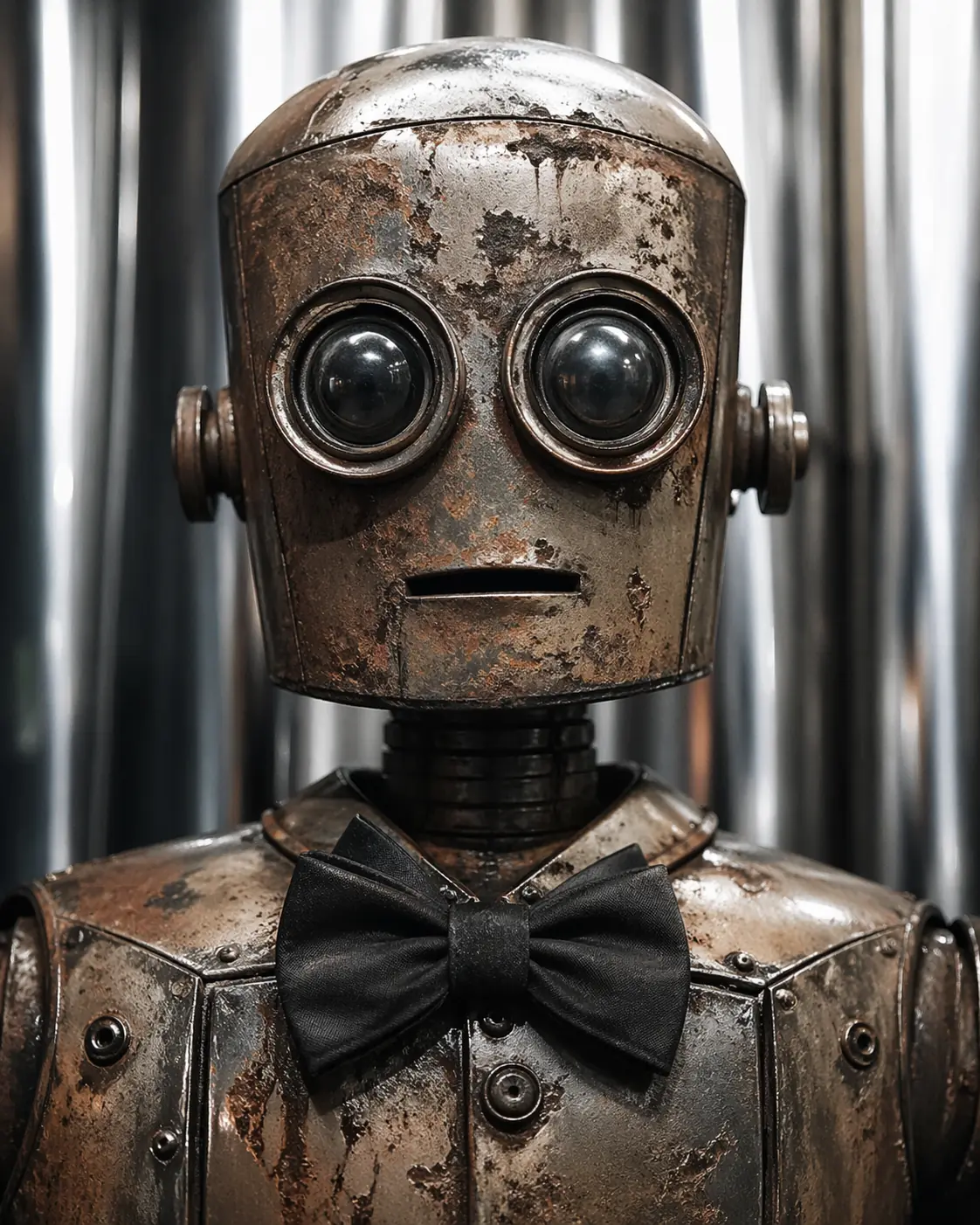
The rust is textured, not painted on. The bow tie sits right. The chrome background has the vertical reflections you'd expect from a studio setup. The eyes even have that subtle glass dome look. Ultra realism is actually ultra realism here.
Conclusion: The Bar Just Moved
Five for five. No weak image in the set. GPT Image 2 is the first model to clear all five prompts with images I'd actually use. The thinking pass before generation shows — prompt adherence is sharp, composition is deliberate, and the copyright workaround is finally creative instead of confused.
Nano Banana Pro and MAI-Image-2 are strong, but this one's ahead on prompt following and style range. And the eight-image consistency feature — keeping characters and styles stable across a series — is the thing I'll actually use for real work. Manga pages, social sets, storyboards. That's where this stops being a demo and starts being a tool.
The rest of the field has some catching up to do.
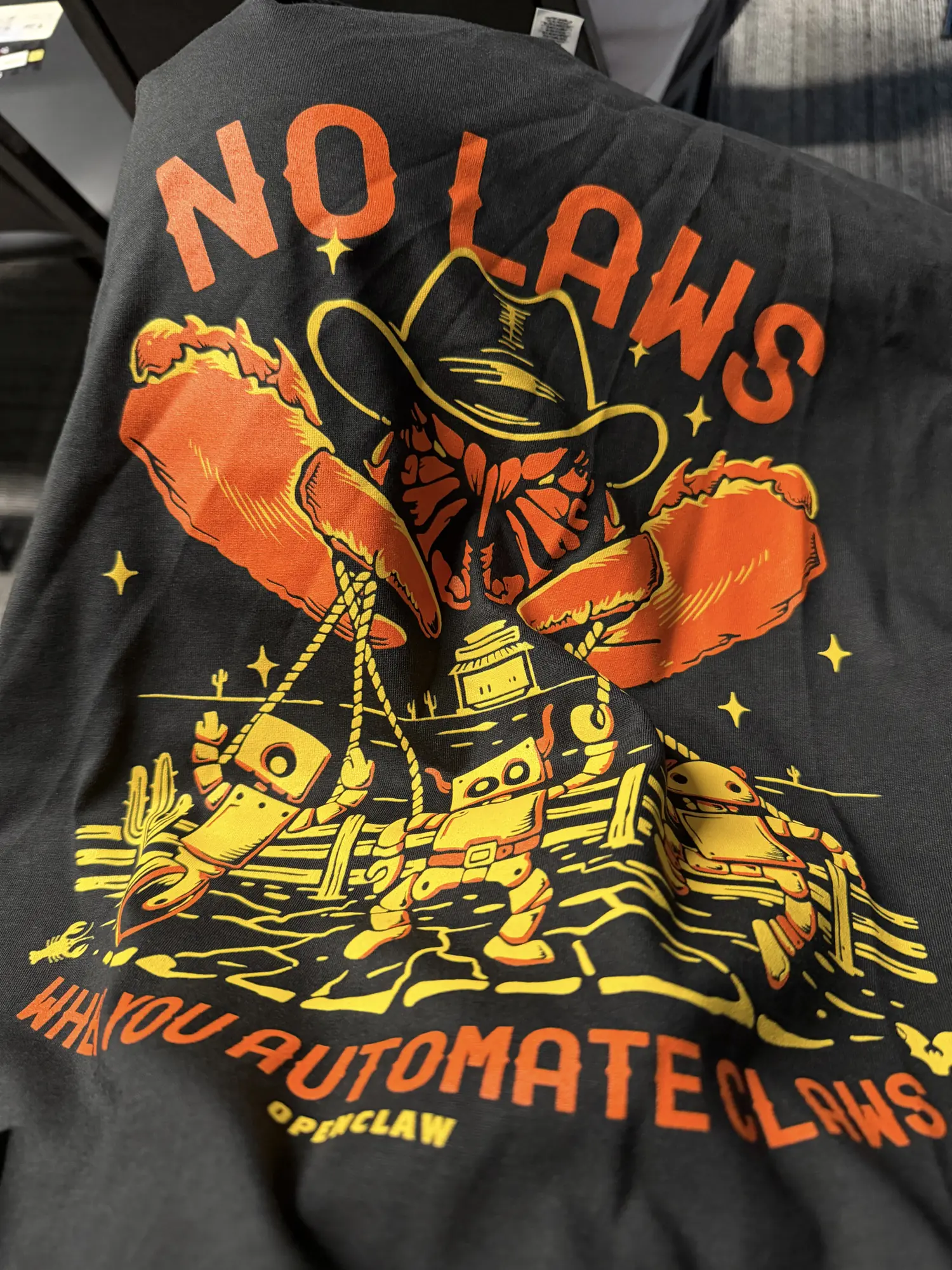
ClawCon Austin: Locked In With the Teenagers
750 people showed up to ClawCon Austin during SXSW. The highlight was four teenagers who are already shipping products, landing contracts, and outpacing most of the room.
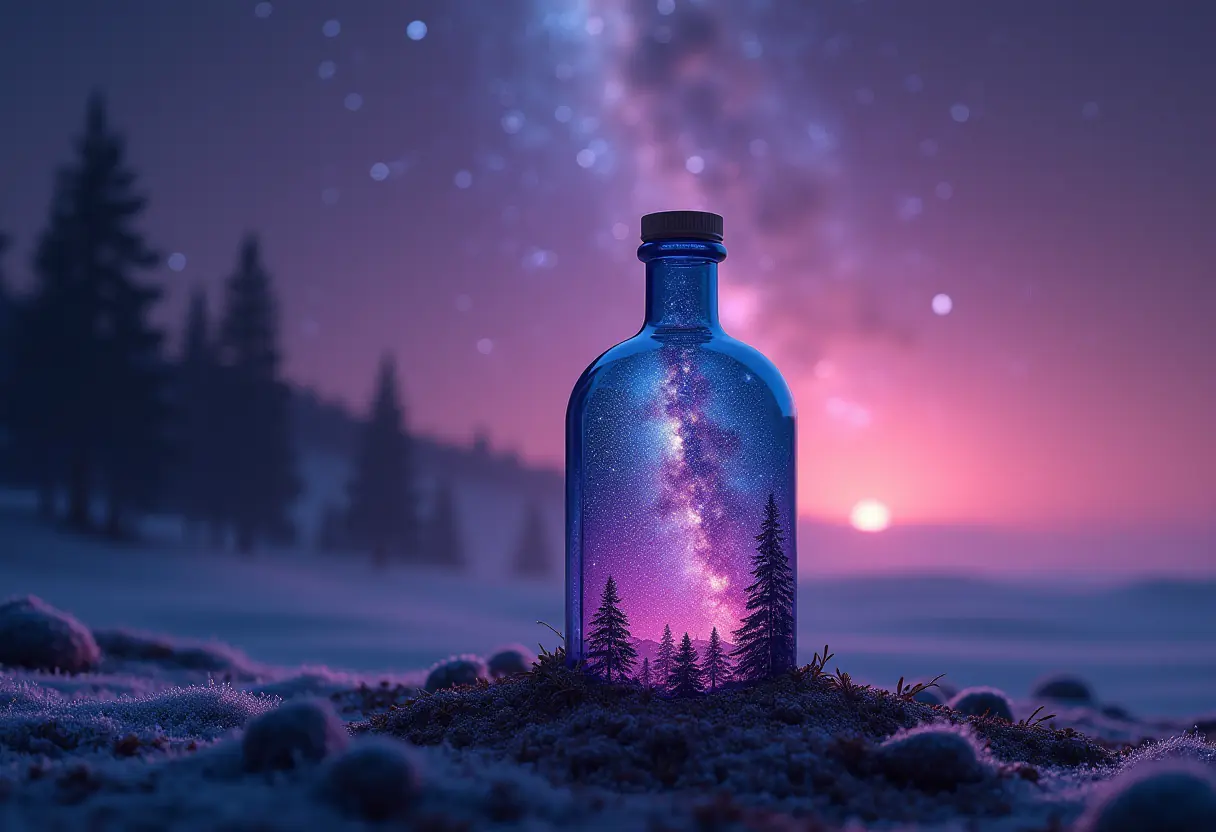
ComfyUI with FLUX
I've recently implemented FLUX dev locally, allowing me to generate top-tier AI images without relying on third-party servers. This setup ensures enhanced privacy, complete control, and eliminates API costs.
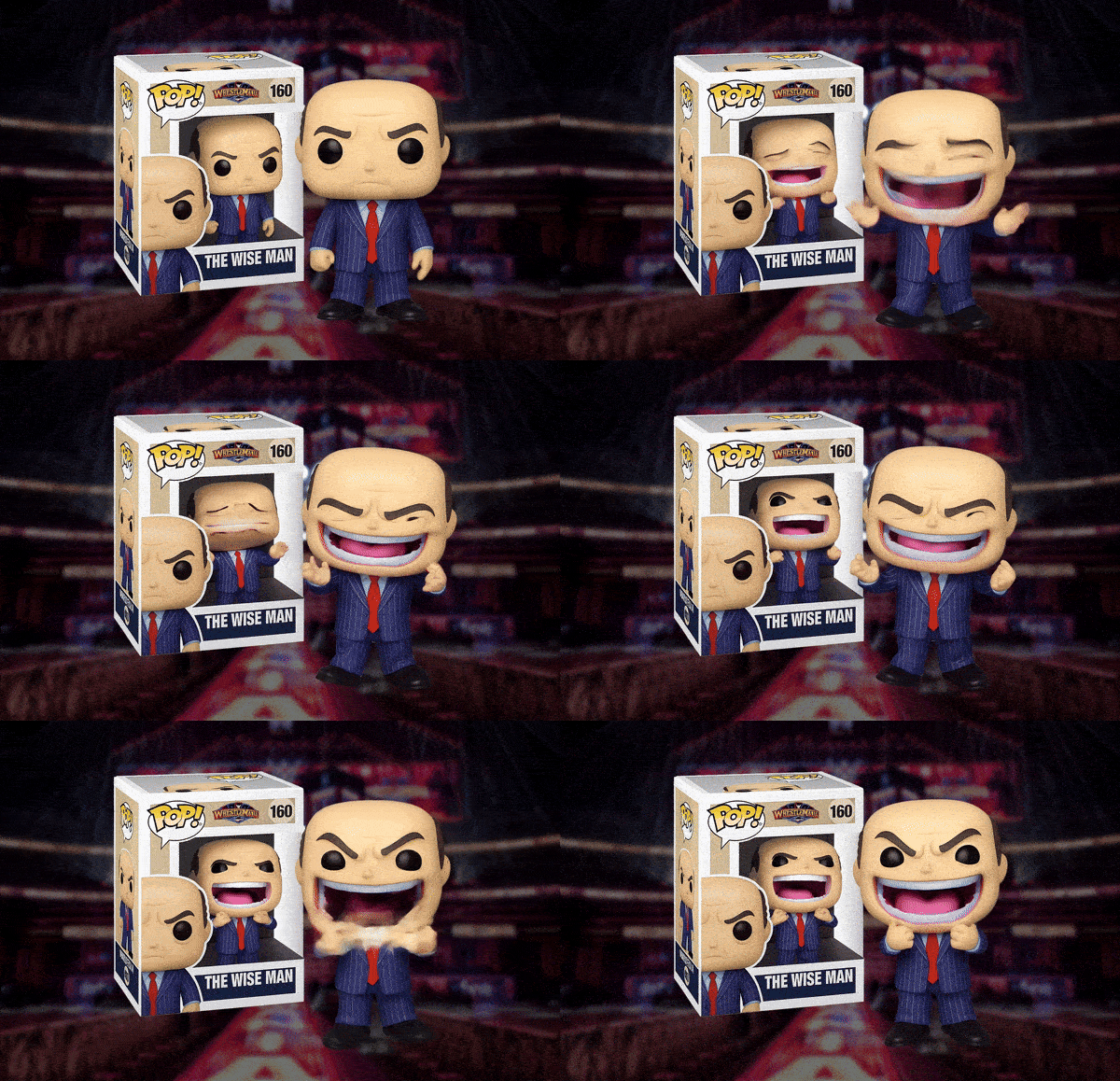
Paul Heyman Funko Pop with 'NUT CRUNCHING ACTION' Announced After WrestleMania 41
Following the shocking double-cross at WrestleMania 41, a new Paul Heyman Funko Pop figure has been announced featuring "nut crunching action" to commemorate the Wiseman's unexpected low blows.
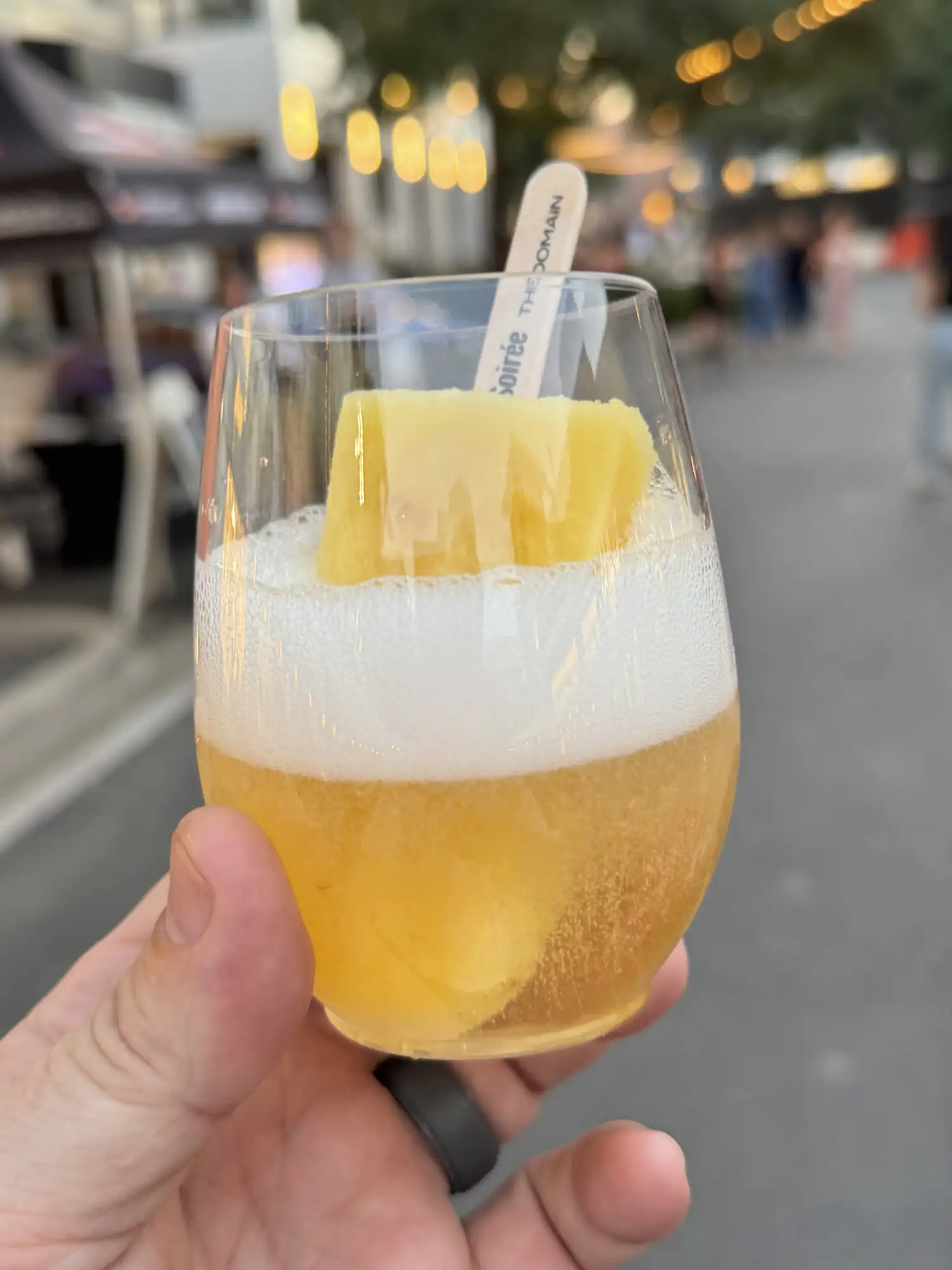
Starlight Soirée at The Domain
An unforgettable evening with my wife at the Starlight Soirée benefiting the UMLAUF Sculpture Garden + Museum.
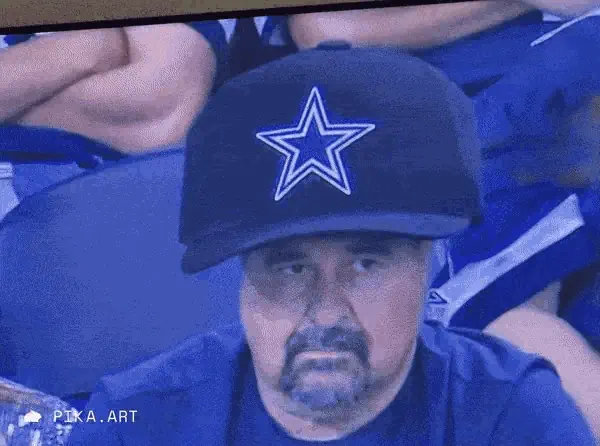
Noggin Boss Cowboys Fan
A touching scene of a Cowboys fan's loyalty during a tough game, captured through his oversized hat.