Two Agent Orchestrators Are Better Than One
Two Agent Orchestrators Are Better Than One
MAY 10, 2026
Most project management software has the same failure mode: it becomes a prettier place to lose track of work.
Tasks get captured. Notes get written. Status gets updated if someone remembers. The actual work happens in Slack threads, terminals, half-finished docs, and someone's head.
Agents can change that, but only if you treat them as workers inside a system — not novelty chatbots.
One agent isn't enough
A single agent can summarize a meeting, draft code, write a checklist. Project work isn't one task. It's a chain: what's blocked, who handles next, what context matters, what changed, what needs a human, what to run overnight.
Most agents are good inside one interaction. Projects are not one interaction.
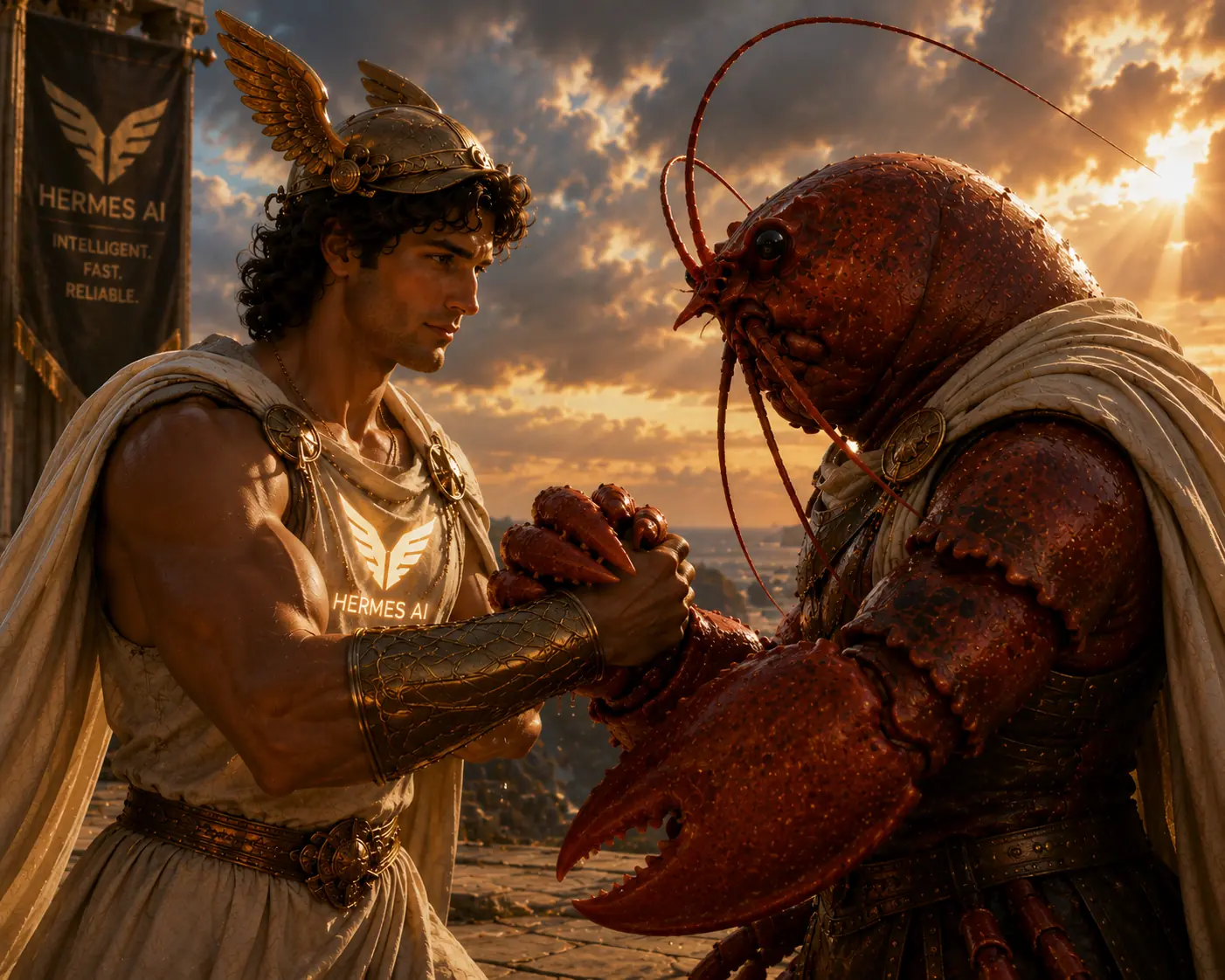
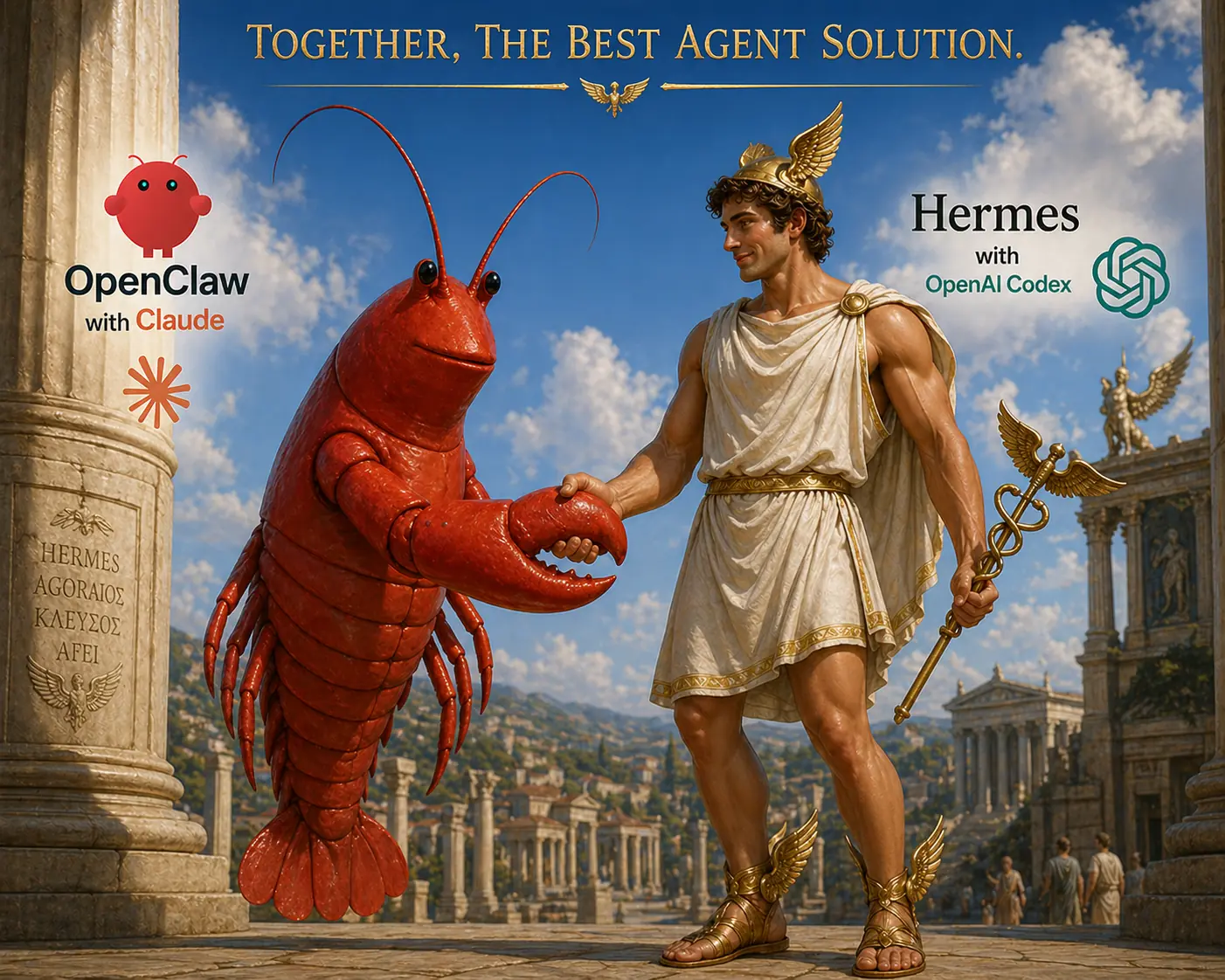
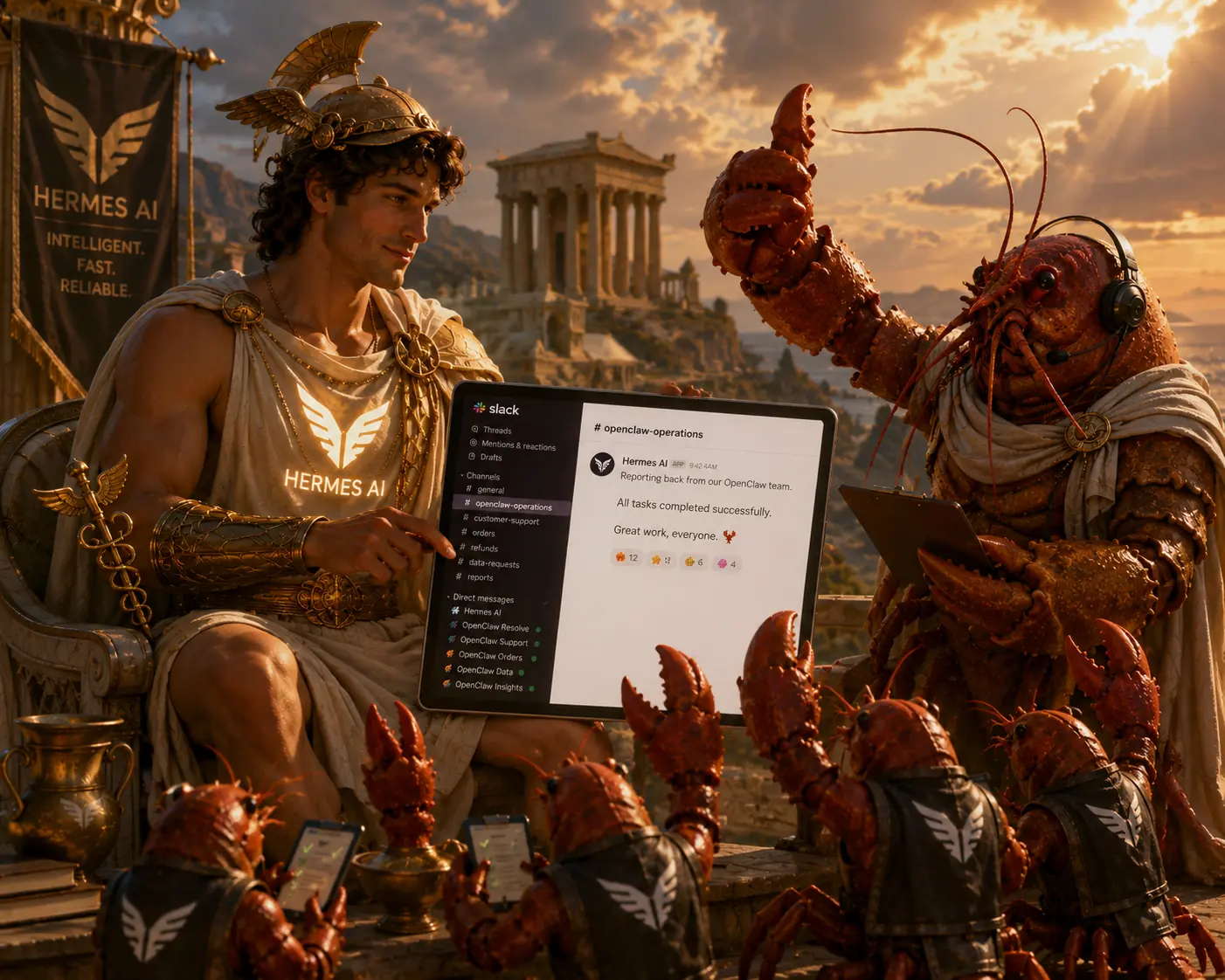
Hermes and OpenClaw
Hermes runs on OpenAI. OpenClaw runs on Claude. Both have their own teams of specialized agents underneath — engineering, marketing, revenue, community, ops. They run work in parallel on different infrastructure, so when one stalls the other keeps moving.
There's also a more practical reason to run both. OpenClaw updates aggressively enough that I now assume something will need patching afterward — usually a config drift, sometimes a broken auth flow, occasionally a deploy that just refuses.
Hermes is how I keep track. It watches the release notes, monitors the agent runs, tells me when something blew up overnight, and queues the rollback or patch. Without that watchdog I'd be debugging OpenClaw by hand instead of shipping product.
Two models, two jobs
In practice, I end up routing different work to different models. OpenAI tools tend to be better at orchestration and rapid task execution. Claude tends to do better with long context, code review, and careful synthesis.
Once both systems are on flat-rate plans — OpenAI Codex, Anthropic Claude Max — the mental model changes. You stop treating agent runs as expensive requests and start treating them as background workers.
The morning brief
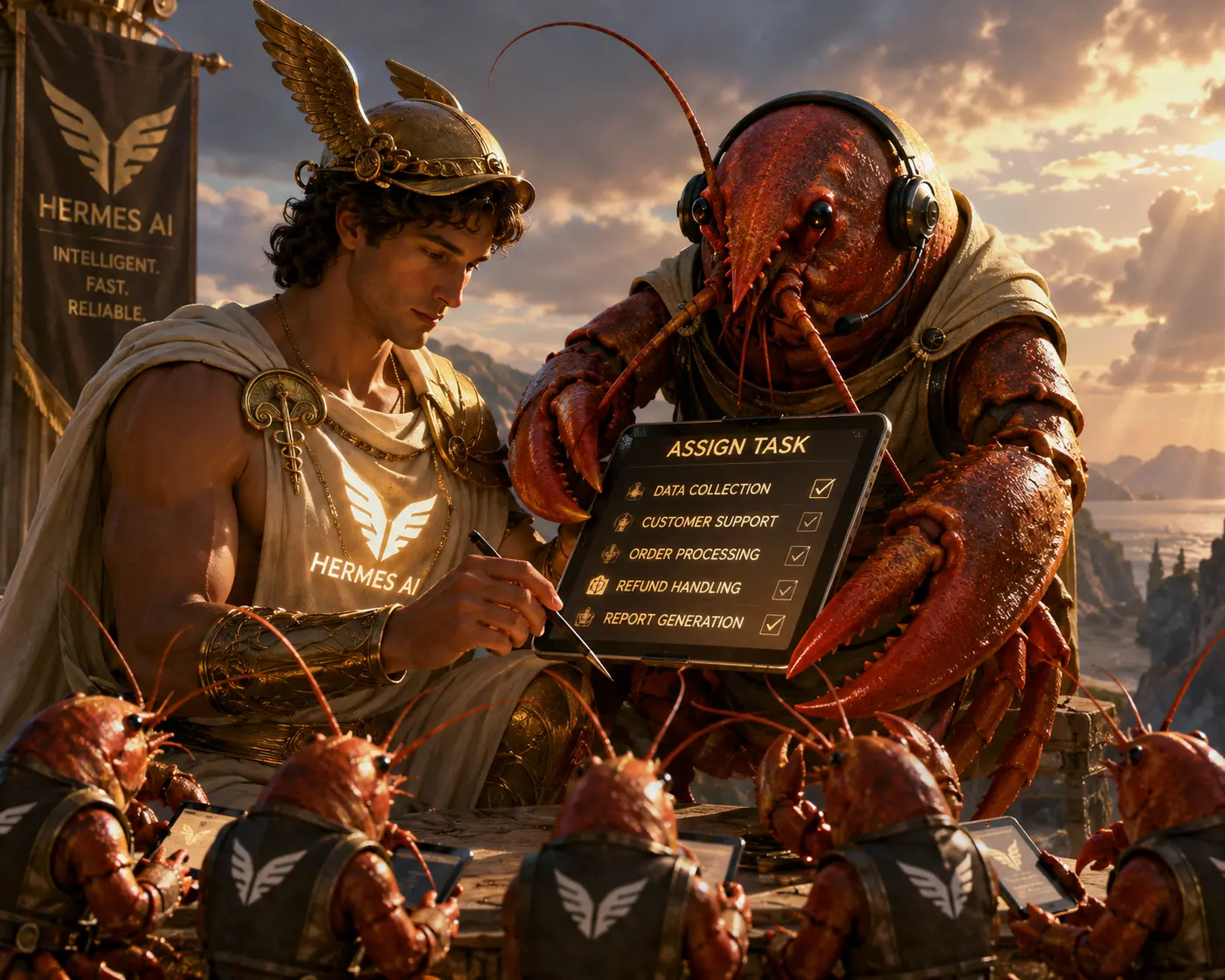
The best use is overnight work. Leave Hermes rough instructions: check the project board, get obvious next steps moving, tell me what needs my decision tomorrow.
By morning the brief answers six questions: What moved. Who moved it. How it was verified. What's blocked. What needs my decision. The highest-leverage move for today.
It reads less like a status report and more like an operations log.
Receipts or it didn't happen
Agents get dangerous when they operate from vibes. Hermes and OpenClaw both read from the source of truth before planning, and write back to it after execution. The morning brief is built from it.
Finished work needs evidence: a merged PR, a test run, a doc link, a project note, a screenshot, a timestamped update. Without receipts, it's a claim.
A practical example
A product launch is slipping. Old workflow: I check Slack, ask engineering for status, ask marketing what's ready, dig through stale docs, manually decide what to do.
New workflow: Hermes inspects the project state. Launch page blocked by missing screenshots. Onboarding flow has two failing tests. Announcement draft is stale. OpenClaw shipped an update yesterday that took staging down.
OpenClaw's engineering agents fix the test failures and verify. Hermes's marketing agents refresh the announcement against the current product and queue a launch post. Hermes also pins down which OpenClaw release blew up staging and stages the rollback.
Two things go sideways overnight. An engineering agent retries a failed deploy four times in a row, which leaves duplicate PRs against the same branch. And Hermes notices the project board in Linear says the announcement is still in draft, while the doc in Notion has been live for three days — classic state drift between two sources of truth.
By morning the brief shows tests fixed with command output, draft updated but needs my approval on pricing language, staging restored on a previous OpenClaw build, three duplicate PRs flagged for me to close manually, and Linear/Notion conflict surfaced with a one-click reconcile. Today's highest-leverage move is screenshots.
That saves an hour of rediscovering reality before I've had coffee.
Boundaries matter
This only works if agents have constraints. Clear ownership. Definitions of done. Limited scope. Source-of-truth updates. Verification. Human approval for money, credentials, or anything irreversible.
The useful part isn't autonomy. It's reducing coordination overhead.
What it actually unlocks
I describe intent once. Hermes and OpenClaw each route what they're best at to their own agents. They come back with the state of play.
The managerial tax drops. No more re-explaining the project, reassigning the same tasks, asking for status, manually stitching together five outputs.
Because Hermes can save workflows as skills, the system gets better over time. Solved processes become reusable. Repeated mistakes become guardrails. That's where compounding starts.
Most teams already have the context. The missing piece is a system that can act on it consistently — overnight, with receipts, against a single source of truth.
ChatGPT Says I'm Benjamin Franklin
With over a year of code, questions and data from me, I asked ChatGPT which historical figure I'm most like, and the answer was surprising yet oddly accurate: Benjamin Franklin, the original tech entrepreneur.
BAGEL Text-to-Image Model Disappoints ... but there is more
Testing BAGEL, ByteDance's unified 7B parameter model that combines text-to-image generation, image editing, and image understanding in a single architecture.
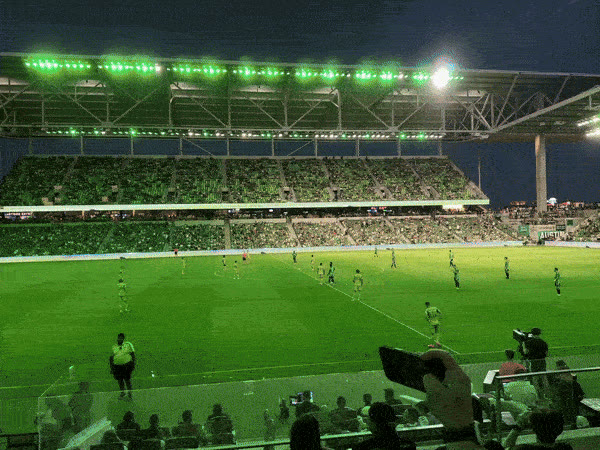
Austin FC Lexus Level
Last weekend, my wife and I had the chance to experience an Austin FC game from the Lexus Suite, and it was every bit as luxurious as it sounds.
Peelander-Z's Road to Recovery
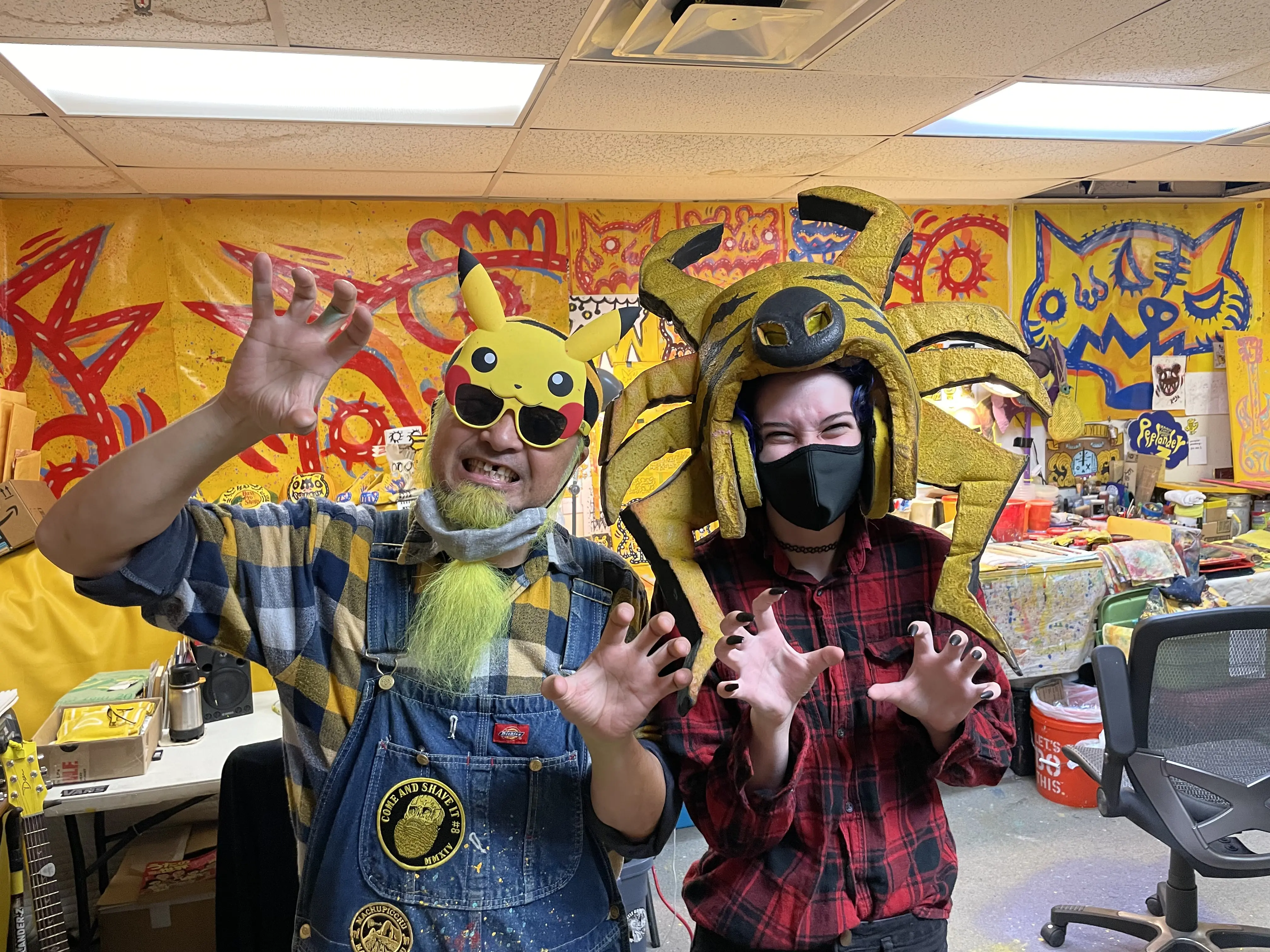
Our friends in Peelander-Z were rear-ended by an 18-wheeler while touring. Kengo, Pinku, and Tiger are in the hospital. There's a GoFundMe — please help.
Why Kenny Omega is the Greatest Wrestler Alive

Kenny Omega has redefined professional wrestling with his innovative style. Here's why I believe he's truly the Best Bout Machine and one of the greatest performers of our generation. These photos were taken 5 years ago just minutes before COVID closed the world.