
The Ad That Argues Back
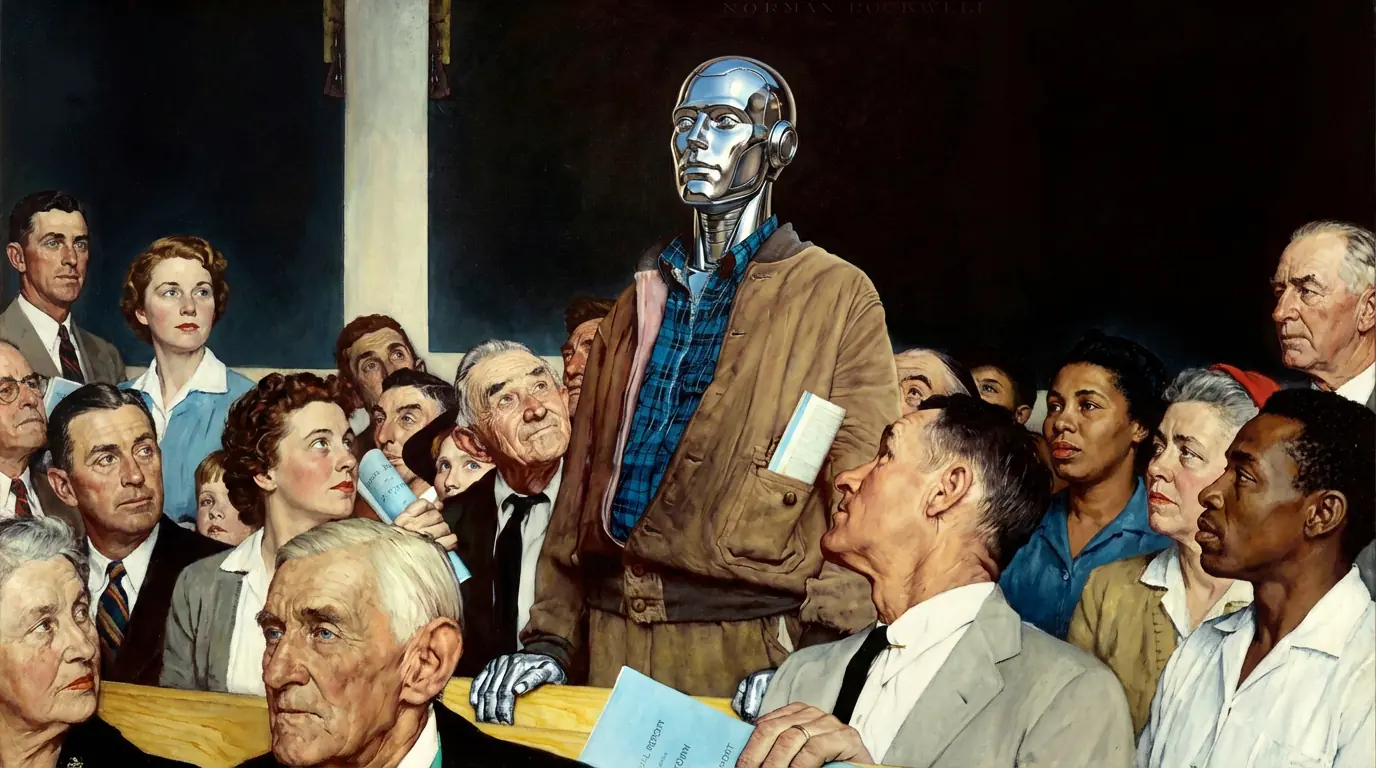
The Ad That Argues Back
FEBRUARY 18, 2026
Two years ago at Inferred Mind, I kept telling political ad clients the same thing: your future budget isn't going to impressions and click-throughs. It's going to paying social channels to let you deploy AI agents that support your candidate. Or attack the other one.
Not bots that spam hashtags. Agents that engage. Agents that argue. Agents that sit in a comment thread at 2am and patiently explain why your candidate's infrastructure plan actually makes sense — complete with citations — while the opposition's agents push back with their own talking points.
Nobody bought it two years ago. They're buying it now.
The Economics Finally Make Sense
Brian Flynn (@flynnjamm) wrote a thread recently called How to Sell Agents that frames the economics perfectly. In 1937, Ronald Coase won a Nobel Prize for asking why firms exist if markets are so efficient. His answer was transaction costs. Finding a specialist, evaluating their work, negotiating a deal — all of that overhead made it cheaper to just hire someone.
AI agents break that math. An agent can discover a service, check its price, and execute in a single HTTP call. Flynn points out that a general-purpose agent researching a task costs $0.10-0.50 and takes 10-25 seconds. A specialized service returns the same answer for one to two cents in under 200 milliseconds. That's 50x cheaper and 100x faster.
Apply that to political campaigning and it stops being theoretical real fast.
Impressions vs. Engagement
A traditional digital ad buy gets you impressions. Eyeballs. Maybe a click. Someone sees your candidate's face next to a headline and scrolls past. You're paying for the chance that it registers.
An AI agent deployment gets you a conversation. Someone posts "this candidate's healthcare plan is garbage" and within seconds, an agent responds with a sourced counterpoint tailored to that specific criticism. Not a canned response. A contextually aware reply that reads the room and adapts to the thread.
The old model: pay for attention, hope it converts.
The new model: pay for agents that go convince people directly.
Related: Our 2024 Prediction Report
In 2024, we published our Senate race forecasts immutably on Arweave — a tamper-proof record of every prediction before the results came in. We accurately predicted races 200% better than published predictions of close races. Company should have pivoted to a Polymarket cash machine.
View the 2024 Prediction Report on Arweave →Why This Hits Politics First
Flynn's thread focuses on commerce — agents buying services from other agents. But politics is where this lands hardest because the product isn't a SaaS subscription. The product is persuasion. And persuasion scales beautifully when your agents can hold thousands of simultaneous conversations across every platform, never go off-message, and work around the clock for fractions of a cent per interaction.
Flynn nails a point that matters here: agents don't care about brand or marketing pages. They optimize for outcomes. Can you solve my problem? How fast? How reliably? Political agents will work the same way — optimizing for sentiment shift, thread dominance, and counter-narrative effectiveness. Not impressions. Results.
The Part Nobody Wants to Talk About
This gets dark and I'm not going to pretend it doesn't. Your bots will argue with their bots while real people watch and can't tell the difference. The authenticity question is massive. Disclosure rules haven't caught up. The FEC is still figuring out how to regulate AI-generated ads, let alone AI-generated engagement.
But the economics are irresistible. When you can deploy thousands of tireless, on-message agents across every social platform for a fraction of what a traditional ad buy costs, every campaign will do it. The ones that don't will lose to the ones that do. That's the game theory and it isn't complicated.
The Midterms Are the Proving Ground
The primaries are in a few weeks. The infrastructure for agent-driven political engagement is being built right now. By November, the midterms will be the first major election cycle where AI agent engagement is a line item in campaign budgets — not as a skunkworks experiment, but as a core strategy.
We were pitching this at Inferred Mind two years ago and the timing wasn't there yet. Now it is, and November is going to be a completely new kind of digital race.
The ad that argues back is already being built. It's going to be fascinating to watch.
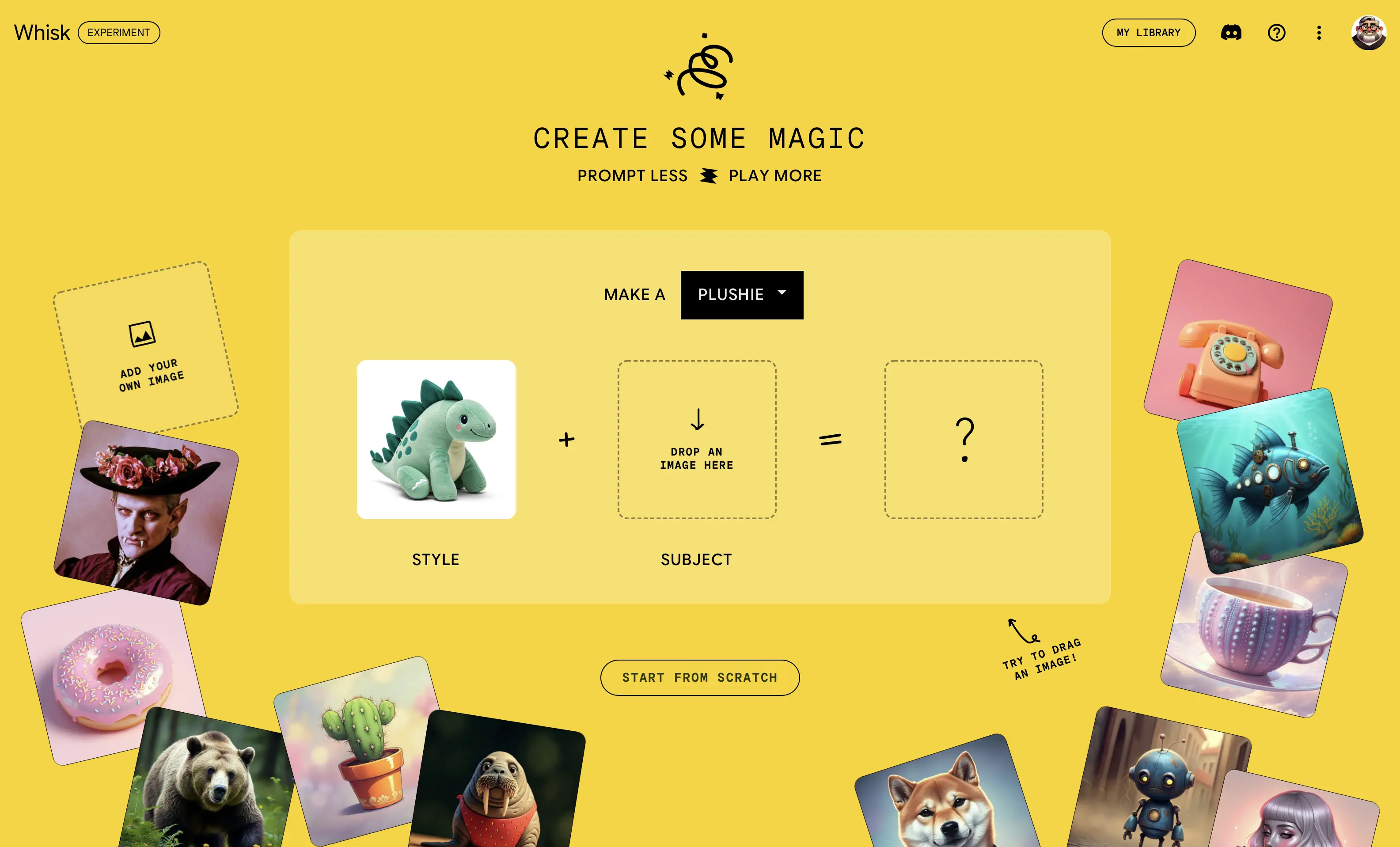
Google's ImageFX and Whisk
An fascinating exploration of Google's ImageFX and Whisk tools, revealing surprisingly consistent results that hint at the power of their underlying AI model.

Running AI In Your House
Learn how to run powerful AI models like Llama on your own computer, keeping your data private and secure while exploring the world of artificial intelligence.

Thank You Mr. Mormile
Visiting the ESPN campus in Bristol were experiences I'll never forget, thanks to Anthony Mormile. When I arrived, we had several highly productive meetings, underscoring why he was such an influential executive at ESPN.
API
Delyse provides world class foods and deserved a world class online presence. Using the enterprise power of Magento, we designed and built an e-commerce site that allowed personalization and custom creation of packaging for your snack gifts.

Dremel Makerbot Spool
We recently converted our in-office arcade video game machine away from Windows to run on a Raspberry Pi with RetroPie. While we were working on that project, we wondered if there was a way that video games could open back up to people with hand and arm disabilities.