
The End of the Network Effect
The End of the Network Effect
JANUARY 12, 2026
Kirsten Green's From Network Effects to Cognitive Effects got me bubbling. Thanks to Daisy and Myles for the link. After being so focused on building around scale, users, and TAM, I think the rules are shifting. Here's my take on Ms. Green's great post.
After twenty-five years building products for everyone from large corporations to blockchain startups, I've watched the definition of "defensible" evolve through several cycles. Network effects dominated the 2010s. Scale economies ruled enterprise.
But something fundamentally different is emerging now.
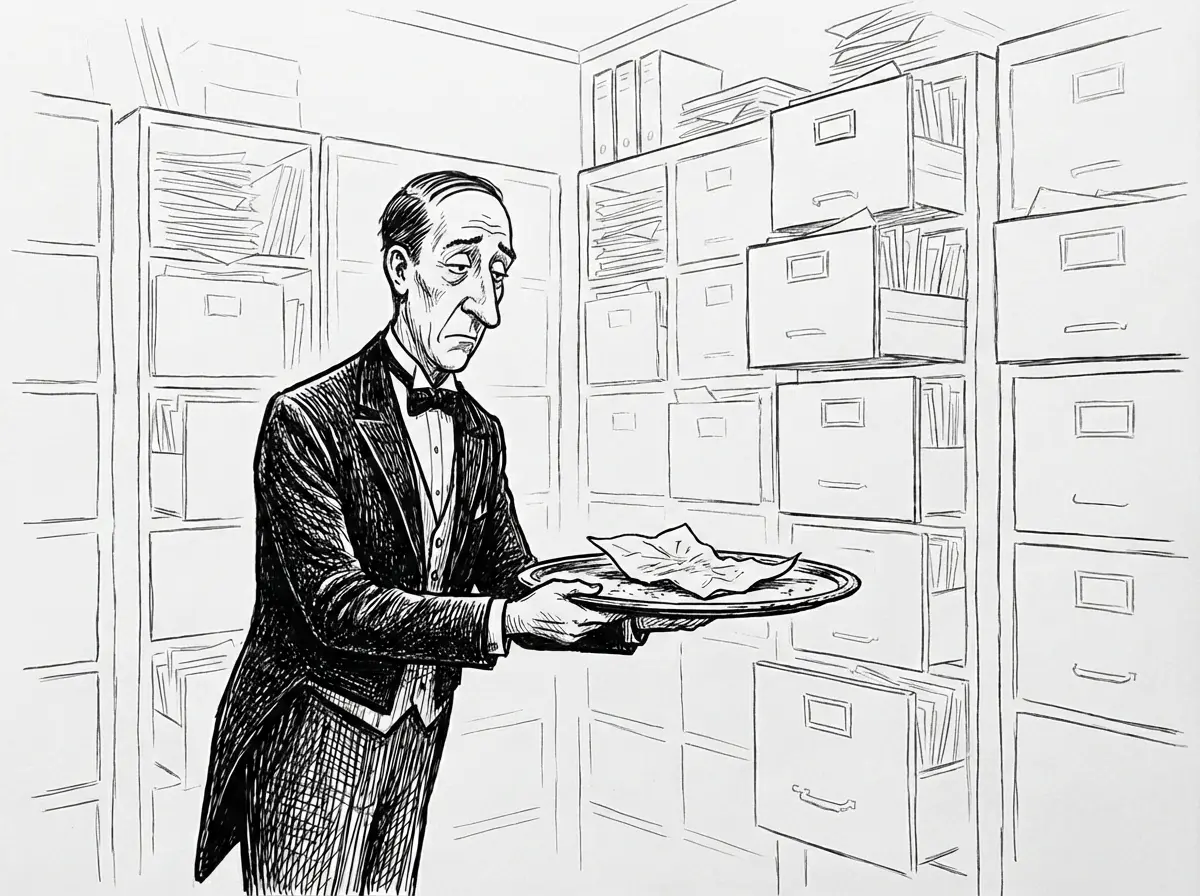
The products that will win the next decade aren't the ones with the most users or the most data—they're the ones that actually understand each user deeply enough to anticipate what they need before they ask.
This isn't personalization as we've known it. It's cognition, and it compounds in ways that make traditional moats look fragile by comparison.
Traditionally, personalization meant tracking clicks and A/B testing button colors. The implicit assumption was that user data was inventory to be monetized elsewhere—package up the behavioral signals, sell them to ad networks, treat attention as remainder inventory for the highest bidder.
That model extracts value from users rather than creating it for them. The cognitive approach inverts this completely.
White glove treatment for everyone, at scale.
When you attend to what users actually need instead of strip-mining their preferences for third parties, their lifetime value grows because their enjoyment grows. The relationship compounds rather than depletes.
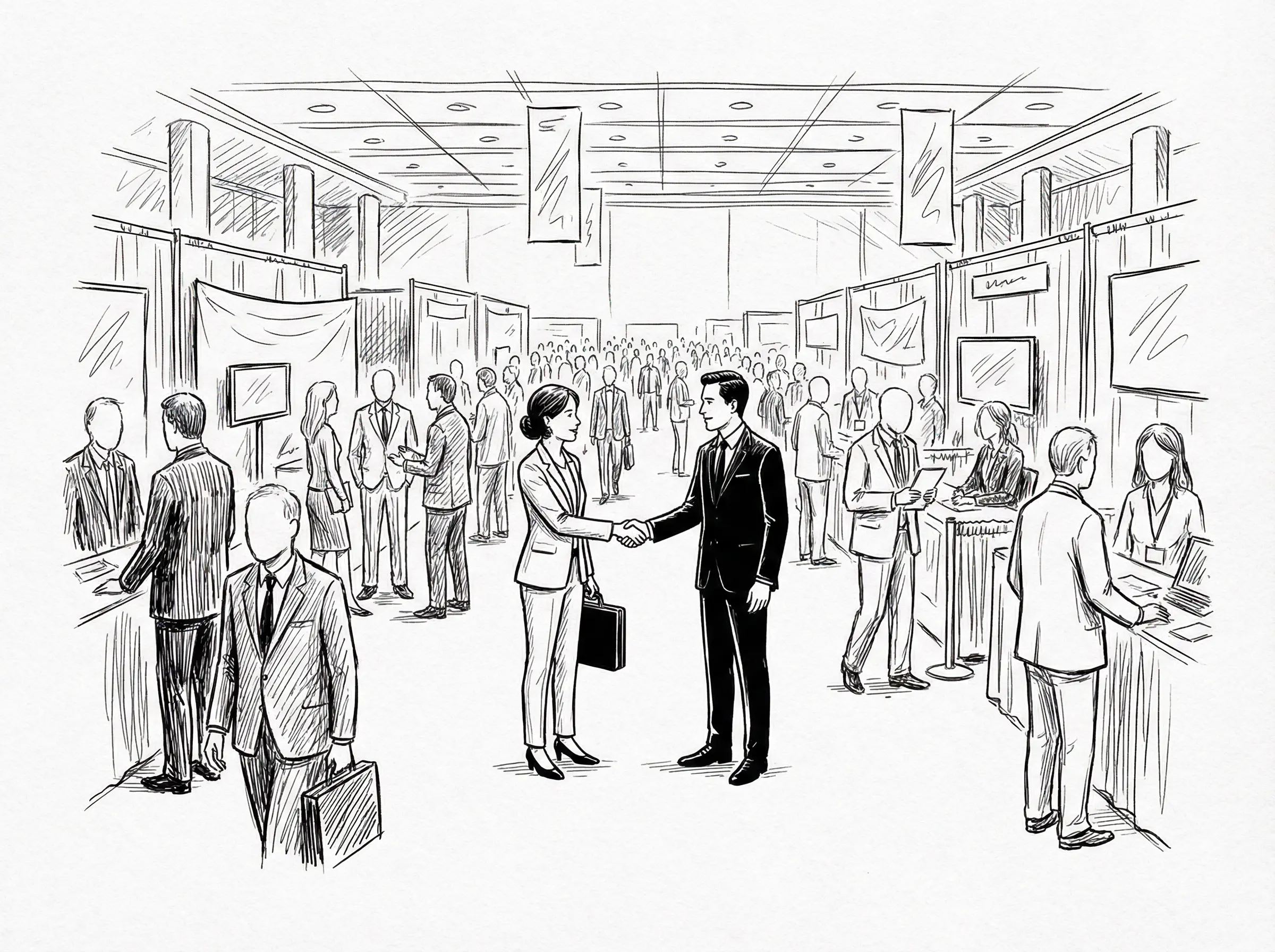
Anyone who's worked a trade show understands this instinctively. You're there with hundreds of people walking by your booth, and the temptation is to optimize for badge scans and lead volume.
But the veterans know the truth: success isn't measured by the crowd. You're really there for one or two decision makers you identified before you even booked the flight. The rest is keeping up appearances.
Most software treats users the way amateurs work trade shows: scattershot, volume-obsessed, celebrating vanity metrics while missing the relationships that drive real outcomes. Cognitive products flip this—they focus effort on understanding each user as if they're the decision maker you flew across the country to meet.
What makes cognitive effects structurally different from network effects is where the compounding happens.
Network effects scale externally—more users make the product more valuable for everyone. Cognitive effects scale internally—more interactions make the product more valuable for you specifically.
Think about how streaming services compete: they sell access to hundreds of channels and massive catalogs, as if abundance itself were the value proposition. But my time is finite. I have two hours tonight, and the three shows I'll actually watch this week matter infinitely more than the five hundred options I'll never touch.
A service that understands I want something light on Tuesday nights, something dense on weekends, something familiar when I'm stressed—that's compounding value in ways that library size never could.
Depth of understanding creates switching costs that no competitor can shortcut by simply adding more content.
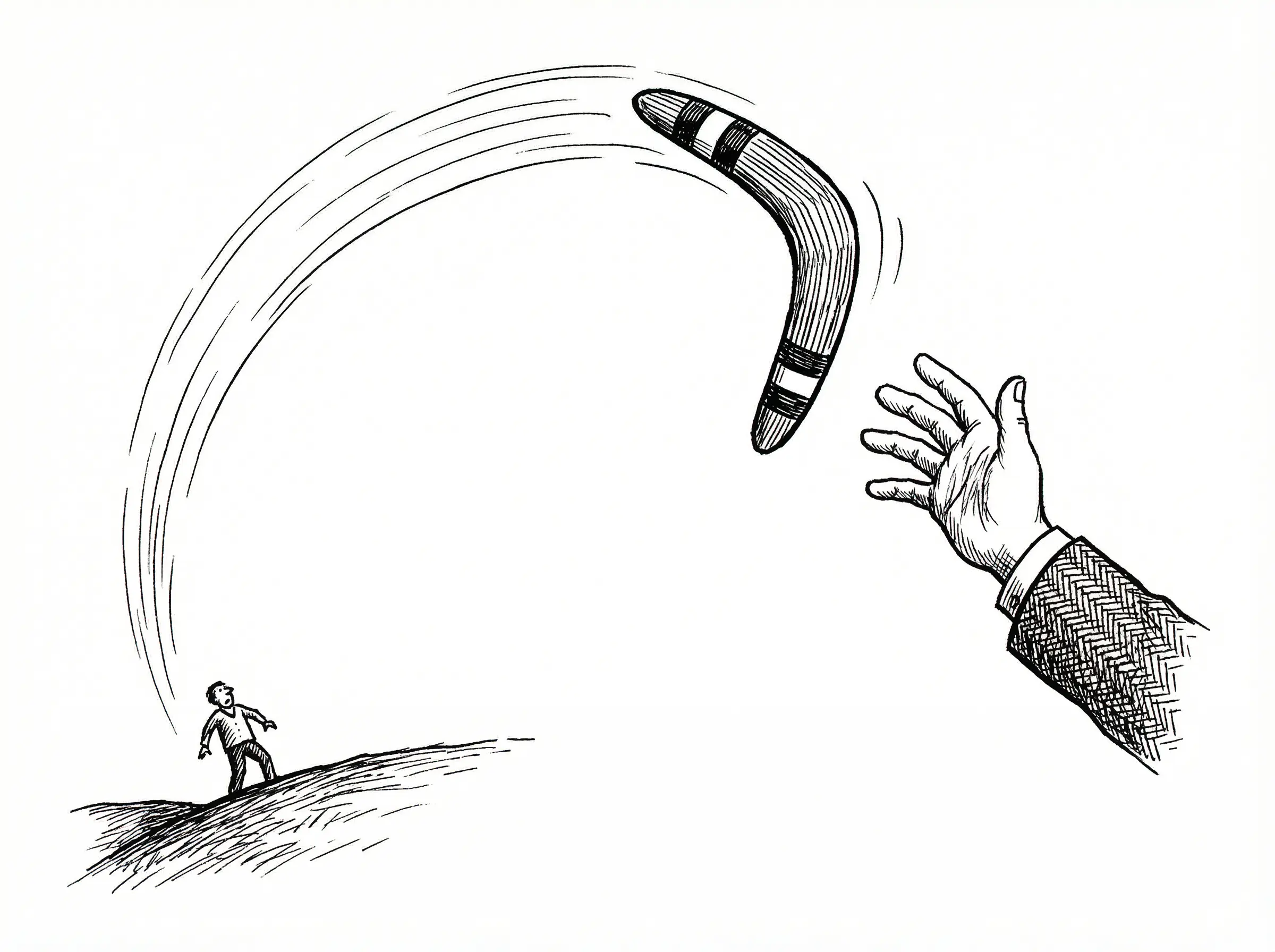
The business model alignment matters as much as the technology. Users aren't rejecting personalization when they opt out of tracking—they're rejecting misaligned incentives where their data enriches advertisers rather than their own experience.
The subscription and privacy-first models we've seen succeed create a different contract: the system learns about you, uses that understanding to serve you better, and earns trust by keeping that knowledge secure.
Every interaction sharpens the intelligence. Better predictions drive retention. Retention creates richer data. Richer data improves predictions. This virtuous cycle accelerates value per user without requiring external growth.
The moat deepens with time, not just with scale.
For those of us who've spent careers watching scale-dependent businesses struggle to maintain defensibility, that's a profound shift worth building toward. How this all manifests is the work we all have to do.
My Second Brain is OpenClaw + Custom Tools
How OpenClaw replaced an entire product and project management team across 15 active projects — and why the daily standup I have with an AI platform is the most productive meeting on my calendar.

Quantum Computing Is Even More Mindboggling
Dive into the world of quantum computing with insights from IBM's cutting-edge research facility. Understand the potential breakthroughs and the emerging quantum arms race shaping our technological future.

Celebrating 25 Years of Marriage
From our engagement on a Disney cruise to celebrating our 25th anniversary on another Disney cruise - looking back at a quarter century of love and happiness.
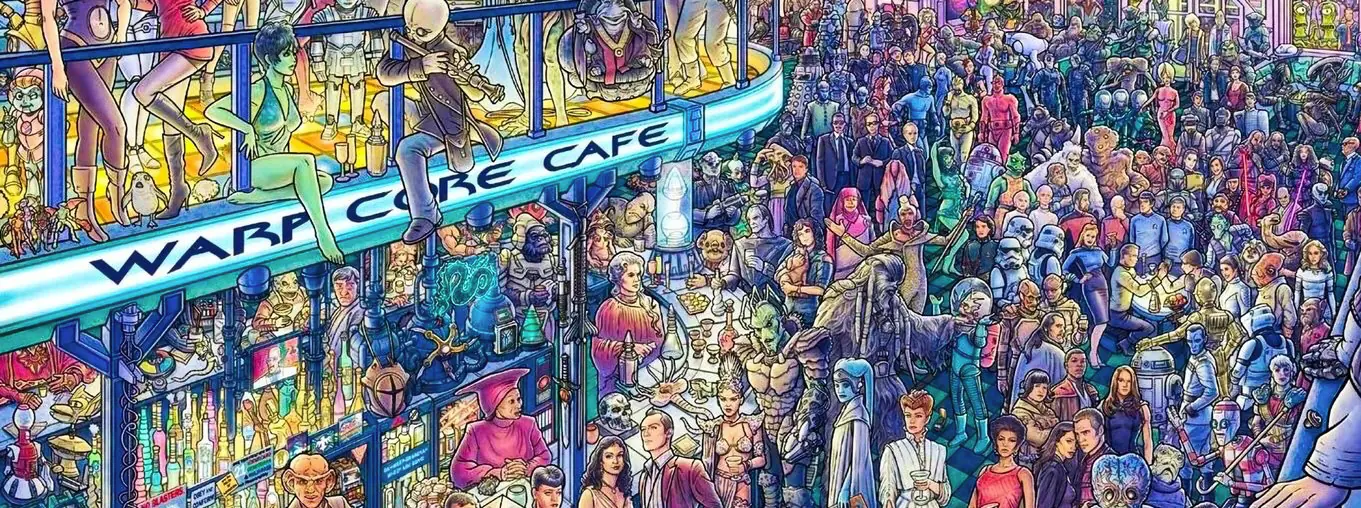
Another Night at the Warp Core Cafe
A stunning piece of sci-fi art by Jeff Carlisle featuring hundreds of characters from across science fiction universes gathered at the Warp Core Cafe.

The $500,000 Minecraft Machine
How a simple decision to justify a gaming PC purchase through Bitcoin mining in 2012 turned into an unexpected half-million dollar lesson in early tech adoption.