
The Polls Missed Again. Two Years Ago, We Didn't
The Polls Missed Again. Two Years Ago, We Didn't
NOVEMBER 10, 2026
The most expensive Senate race in America this year was Texas. Close to $600 million in ads, according to AdImpact. The final polling average had it under three points. It wasn't. The miss was about nine and a half points.
Texas was not alone. In the Texas governor's race, the polling average had the wrong winner. Same thing in South Carolina's Senate race. Polls in five of the most heated races missed by eight points or more, and all five missed in the same direction.
Two years ago a small team I worked with forecast the closest Senate races in the country. No phone banks. No panels. Just signal pulled out of the noise. In Nevada we were within a third of a point of the final margin. The last public poll was off by more than four.
What Happened in 2026
The early post-election numbers are rough for pollsters. Every count is still unofficial, but the shape is already clear.
One early tracker found the Democratic candidate beat the final polling average in all 12 Senate races that pitted a Democrat against a Republican, by about 4.7 points on average. Another looked at 412 polls from the final two weeks. Only 3 nailed the margin. The average miss was 5.3 points.
Spending didn't predict accuracy either. The polls in Ohio and Michigan landed within about two points. Texas, Georgia, North Carolina, and South Carolina were off by seven to nearly ten.
The theories are already coming in. Phone response rates are down to 1 or 2 percent. Weighting built to catch one kind of hard-to-reach voter can overcorrect when the top of the ticket changes. Fake pollsters got caught publishing invented numbers. In September, Pew tested AI-generated "synthetic" respondents and found them overstating presidential approval by 13 to 15 points.
Prediction markets did fine on winners and had a record night on volume. They missed the same upsets the polls missed. Markets lean heavily on polls, so that tracks.
What We Built in 2024
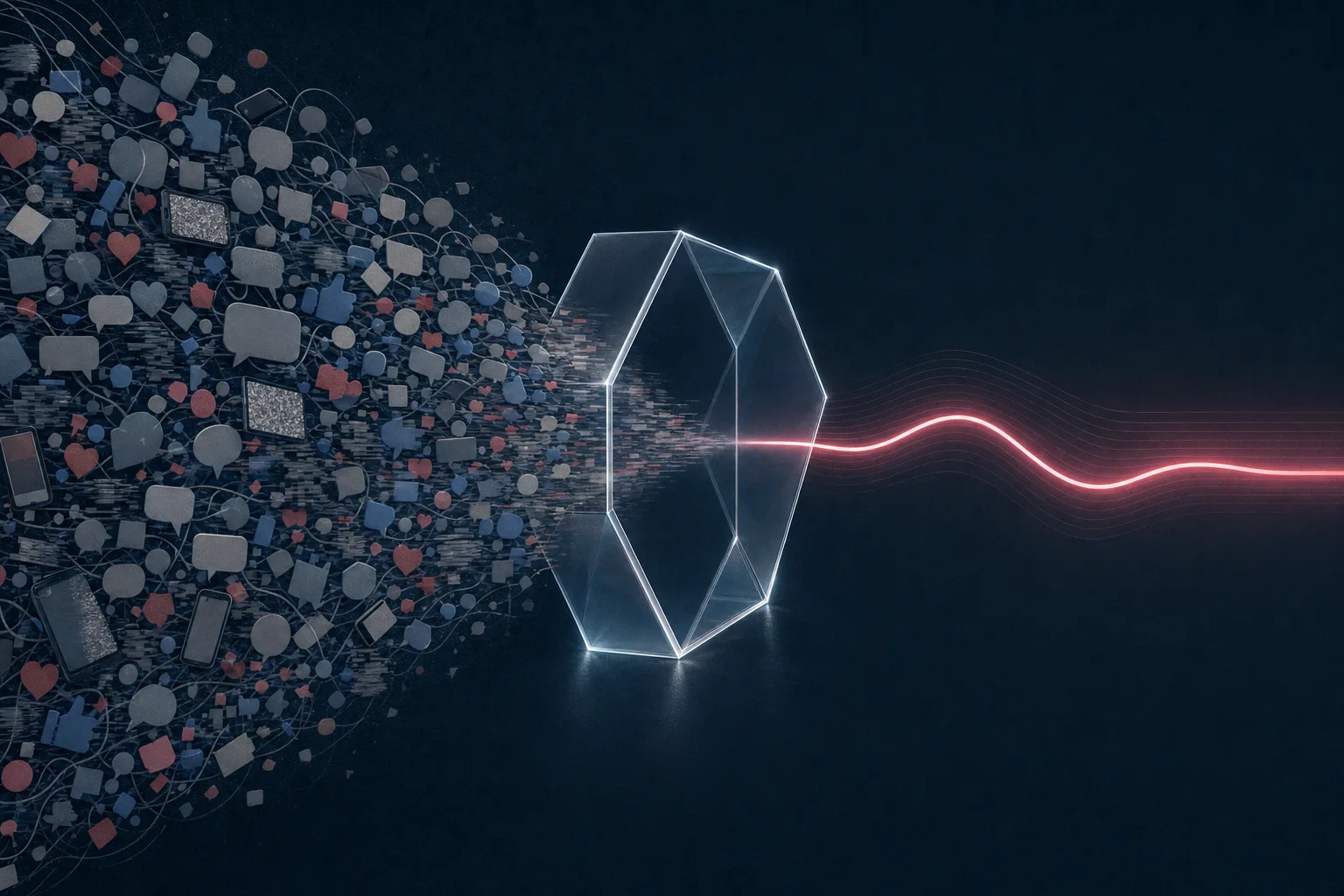
Inferred Mind was a campaign platform. Agora was the dashboard. Hadrian was the engine underneath it, pulling in thousands of news sources and social feeds and scoring sentiment on every message, every day.
We pointed that engine at the key battleground Senate races. The bet was simple. Voters are already telling you what they think, all day, in public. You don't need to call them during dinner. You need to listen at scale and know which voices are noise.


Then we did the part that keeps you honest. We locked it in.
Sealed in a Jar
Around midnight the night before Election Day 2024, we generated a PDF of our six battleground Senate forecasts and uploaded it to Arweave. Permanent. Timestamped. No quiet edits after the fact. Our CEO described it as putting the predictions in a sealed jar and burying it in the backyard.

We dug it up once the votes were counted. Here is what we sealed, next to how the races actually finished. The full report card stacks our margins against the last poll on FiveThirtyEight in each race.
- Nebraska: we had Fischer by 7.8. He won by about 6.6. The last poll had it dead even.
- Nevada: we had Rosen by 1.4. She won by about 1.7. The last poll had her up six.
- Ohio: we had Moreno by 3.8. He won by about 3.6.
- Michigan: we had Slotkin by 1.0. She won by about 0.3.

Nebraska is the one I still think about. The last poll called it a coin flip. It wasn't close, and we had it on the blockchain the night before.
Not every race was that clean. In Montana and Wisconsin the last poll beat us. But across the six races we sealed, our average miss was about half the last poll's. A handful of people with a sentiment engine. Not on vibes. On the scoreboard.

Maybe We Were Early
In 2024 the pitch was hard. Campaigns trusted phone polls because they always had. AI was still a chatbot in a browser tab. Telling a campaign manager that social sentiment could beat a live-caller poll sounded like a stretch.
Two years later, the polls had a bad night in the most expensive races in the country. The hard part of this work was never collecting the posts. It was sorting real opinion from bots, brigades, and outrage that never turns into a vote. That is exactly the problem everyone is staring at now.
I don't think we were wrong. I think we were early.
Run It Back
I would love to run this again. Take the 2026 races, the polls, and the social media noise around them, and do a real side-by-side. Where did the signal show up before the polls caught it? Where did the noise fool everyone?
If you run a campaign, a polling shop, a newsroom, or a research desk and want a trial or a deep post-mortem on this cycle, I want to talk. Find me on LinkedIn or X.

The next big one is two years out. The jar is empty. I'd like to fill it.
MidYear Generative Images
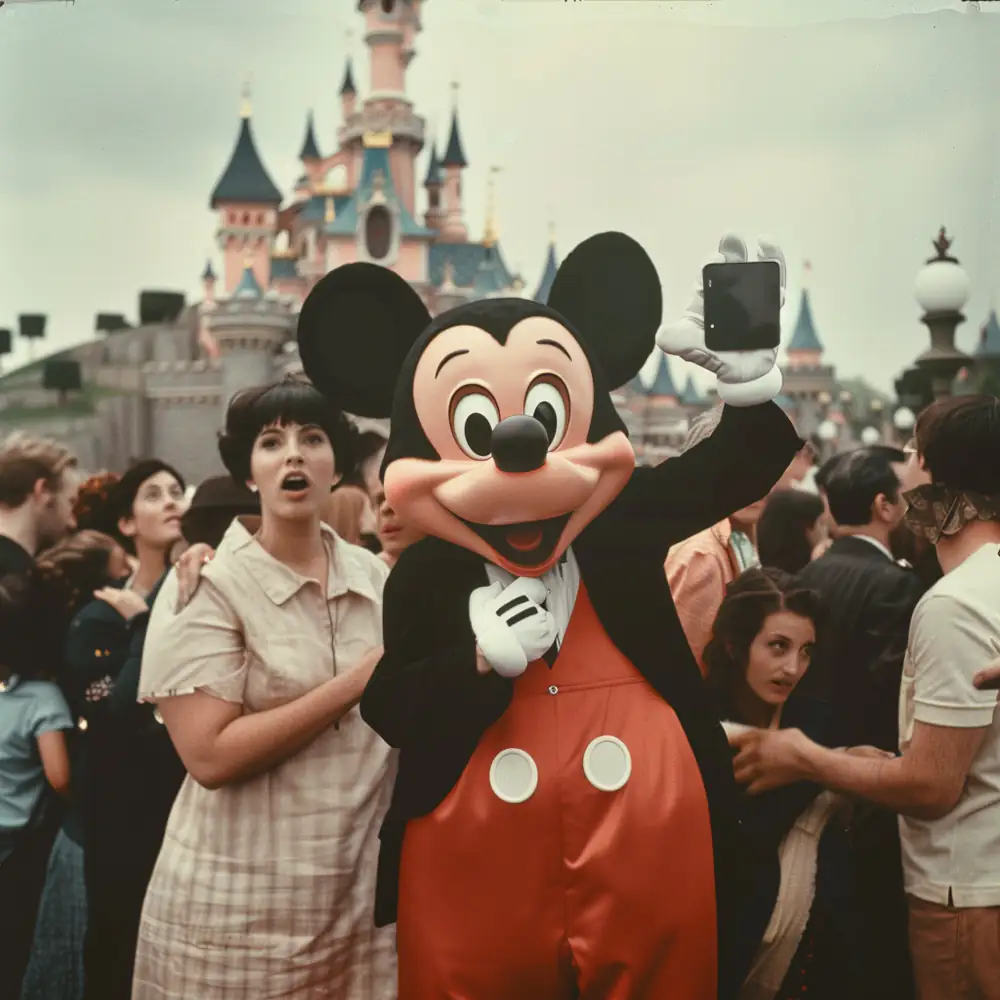
We are almost at the mid 2024 point and I wanted to take a look at generated images and the states of the art when it comes to half a dozen services. I evaluated MidJourney, OpenAI (DallE), DaVinci, Leonardo AI, Adobe Firefly, Stable Diffusion. I passed in the exact same prompt into all of them and you can see the results.

bizqiz
Discover bizqiz, the innovative platform redefining gamified marketing by blending AI-generated content, advanced analytics, and digital rewards for a new era of user engagement.
Commander Mark Rules
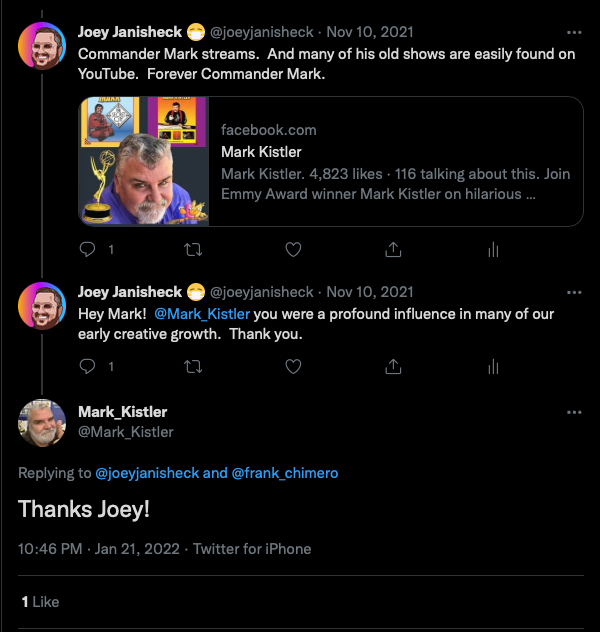
Famous designer Frank Chimero tweeted a few months ago that he was a fan of Commander Mark growing up. I responded to let him know that Commander Mark still lives(yes!) and his library of drawing videos lives on YouTube and he even streams on Twitch. Commander Mark rules.

3D Print Texas Sample Rook
Designed and built this model prototype for a custom marketing give away. Printed on an early SLA resin printer which is now common place in the industry.

ComfyUI with FLUX
I've recently implemented FLUX dev locally, allowing me to generate top-tier AI images without relying on third-party servers. This setup ensures enhanced privacy, complete control, and eliminates API costs.