
Granola Is Watching
Granola Is Watching
JULY 19, 2026
I read Granola's privacy policy. All 8,000 words of it. You should know what you're agreeing to.
Every meeting flows to the cloud. Audio, transcripts, calendar invites, attendee lists — all of it lands on AWS servers in the US, gets transcribed by third-party AI providers, and stays there. They delete the recording after transcription. The transcript, which contains everything anyone said, is retained.
The parts worth flagging
If you're on the consumer tier, your meetings train their models by default. You have to opt out. Enterprise customers are opted out automatically; individuals are opted in. And once your data is in a trained model, their own policy admits removal "may not be technically feasible." It's never coming out.
It gets stranger. They build inference profiles from your behavior. Your employer can request your data if they control your account's domain. Your transcripts are a disclosed asset in any acquisition or bankruptcy. And they collect a list of "other applications that utilize the microphone function" — they're watching what else runs on your machine.
Are they selling it? Not under CCPA definitions. But de-identified meeting data can be licensed into "analytics, benchmarking, or market insights products." De-identification of conversational transcripts is notoriously weak — meetings are full of names, companies, and context that re-identify trivially.
The other way
This is why I built Kōchi. It's open source and runs entirely on your iPhone or your Mac. Apple's Speech framework handles transcription; the new Foundation Models in iOS 27 and macOS 27 handle goal tracking and live coaching. No external models, no account, no server in the loop. Granola's privacy policy is 8,000 words because your data touches a dozen parties. Kōchi's could be one sentence: nothing leaves the device.
It keeps you on task, too. Set up to three goals for a meeting and Kōchi analyzes the conversation every five seconds, checking off each goal as you hit it and nudging you when you drift. And because privacy doesn't have to be boring, it ships with themes that are just plain fun — a 1776 coach, pixel art, toy bricks, noir, zen.
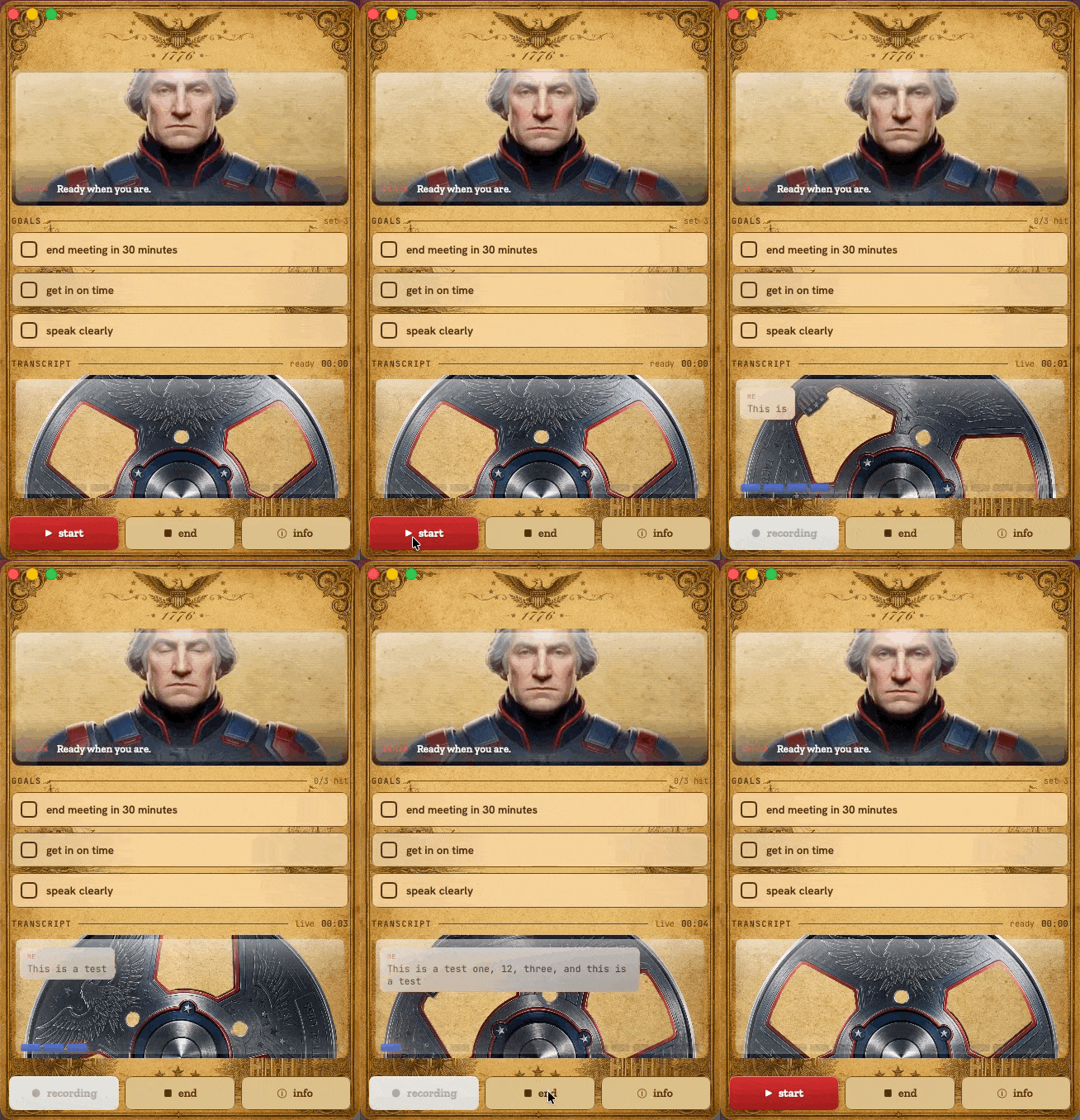
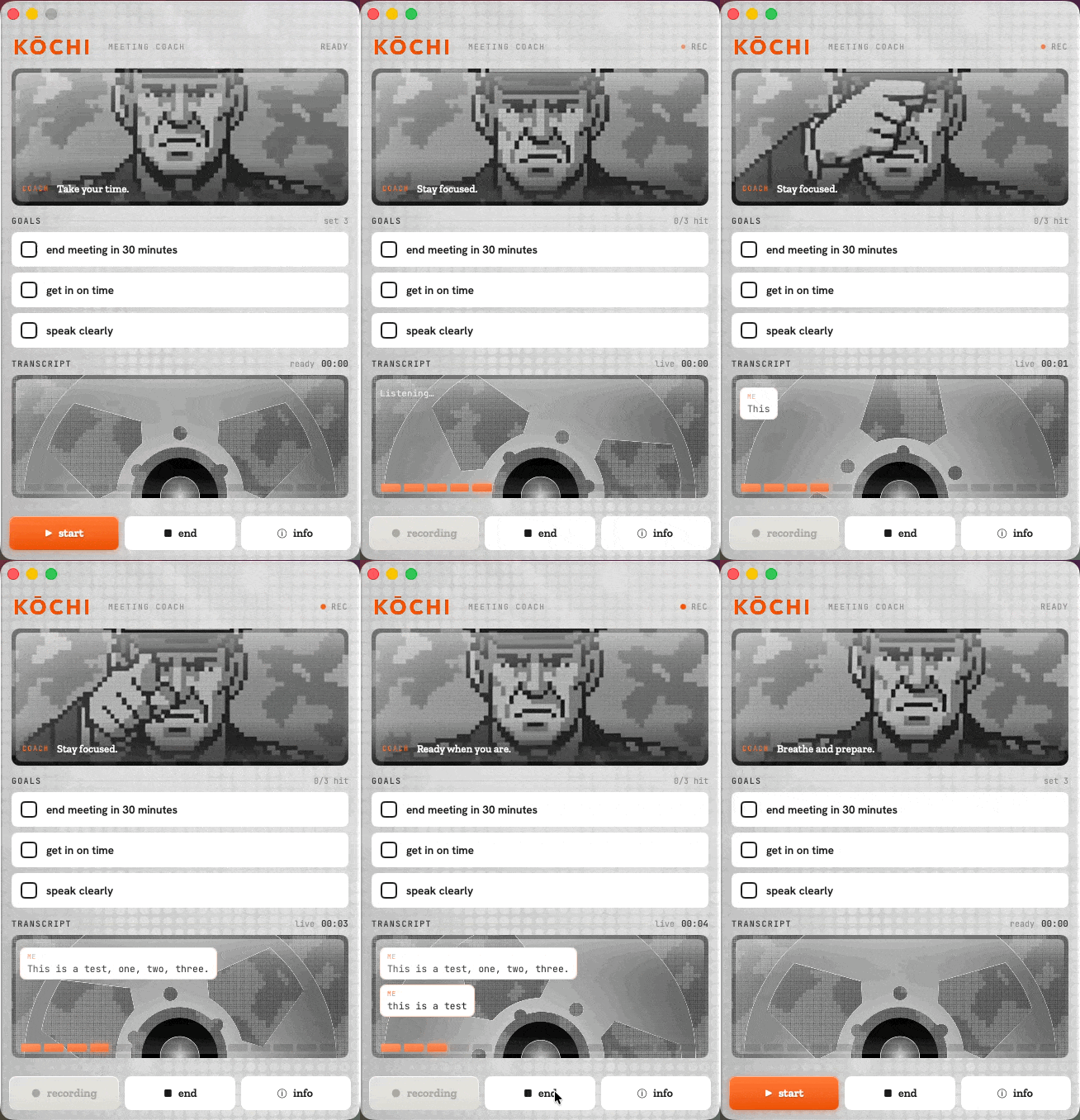
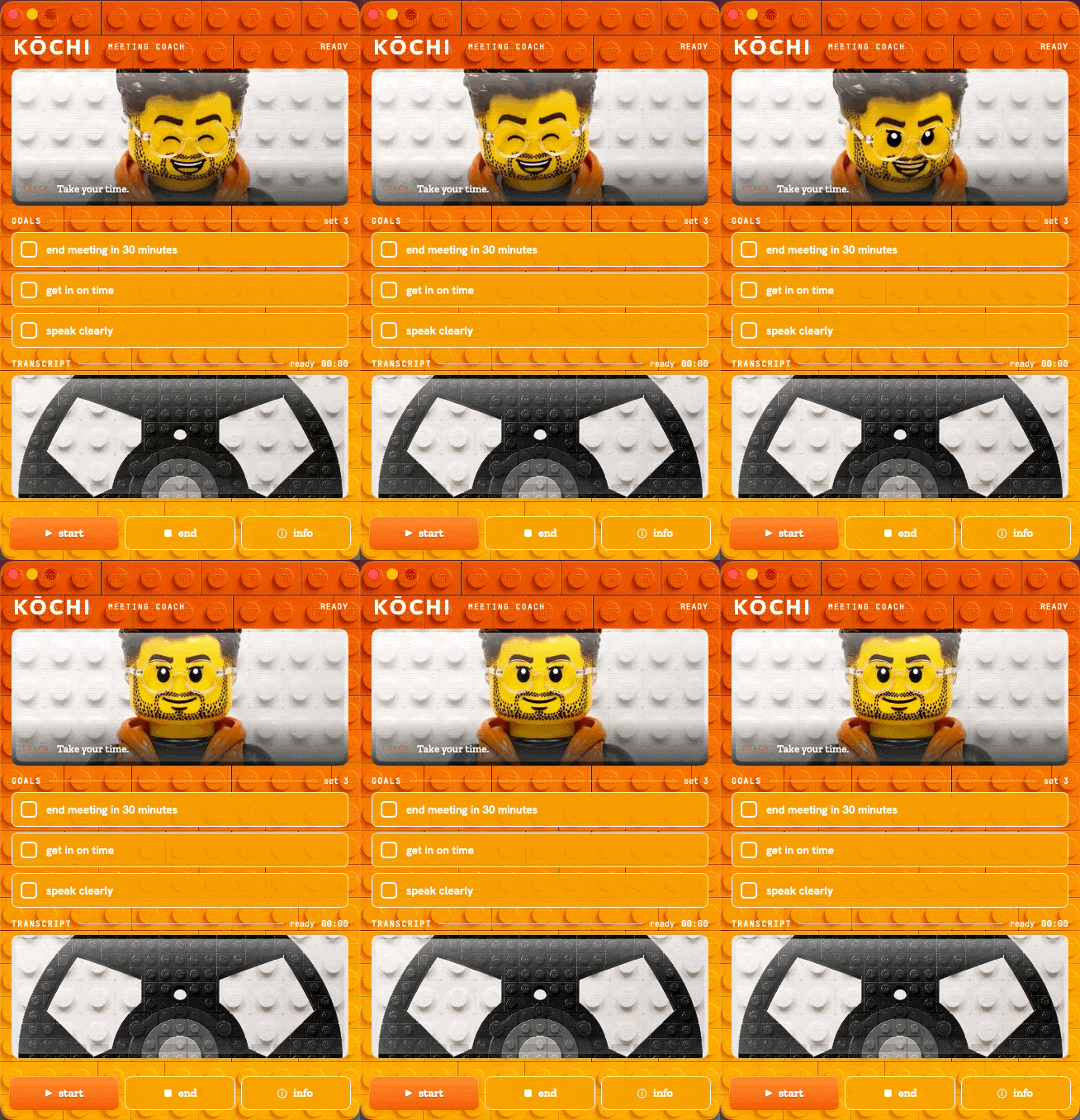
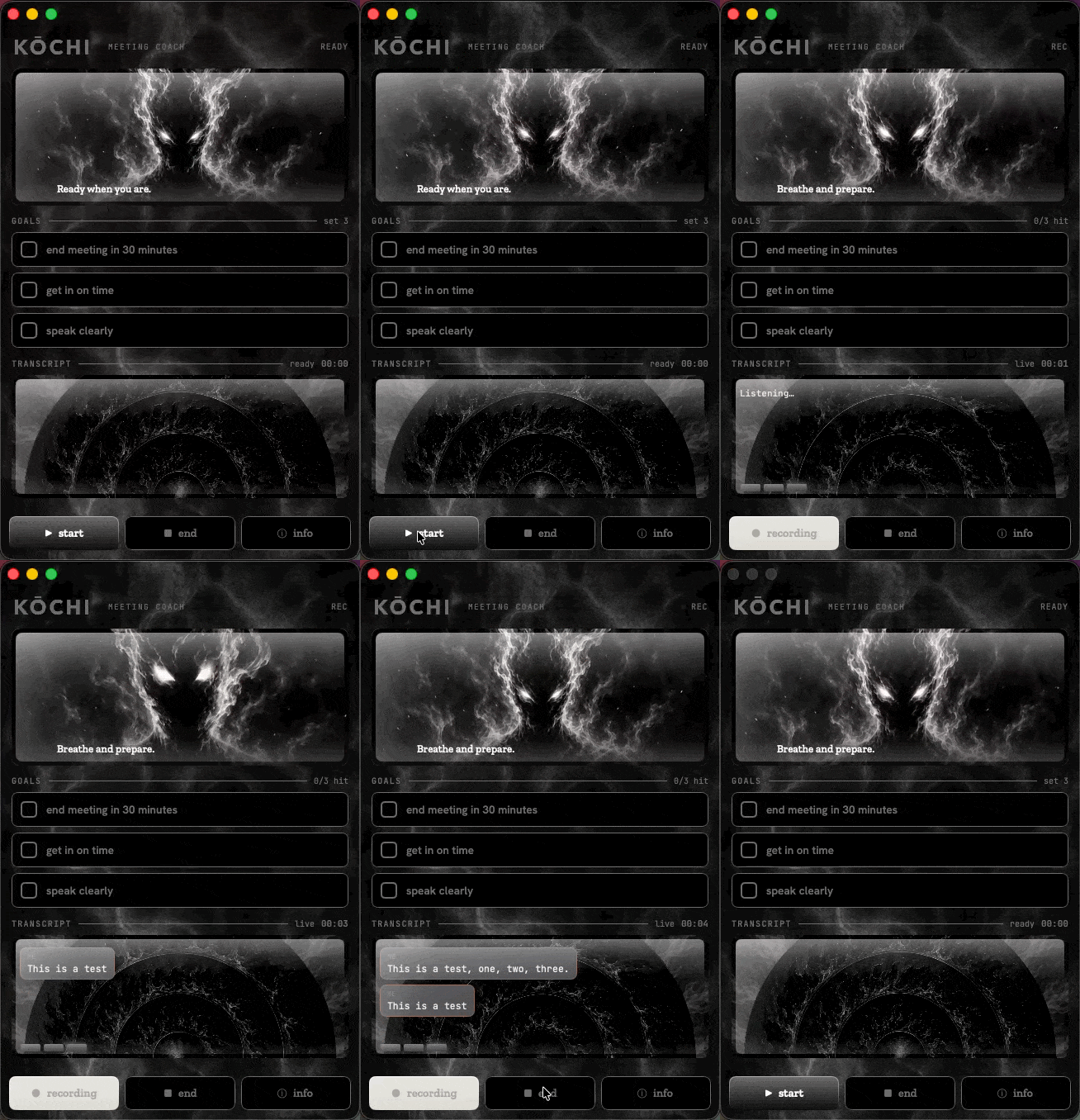
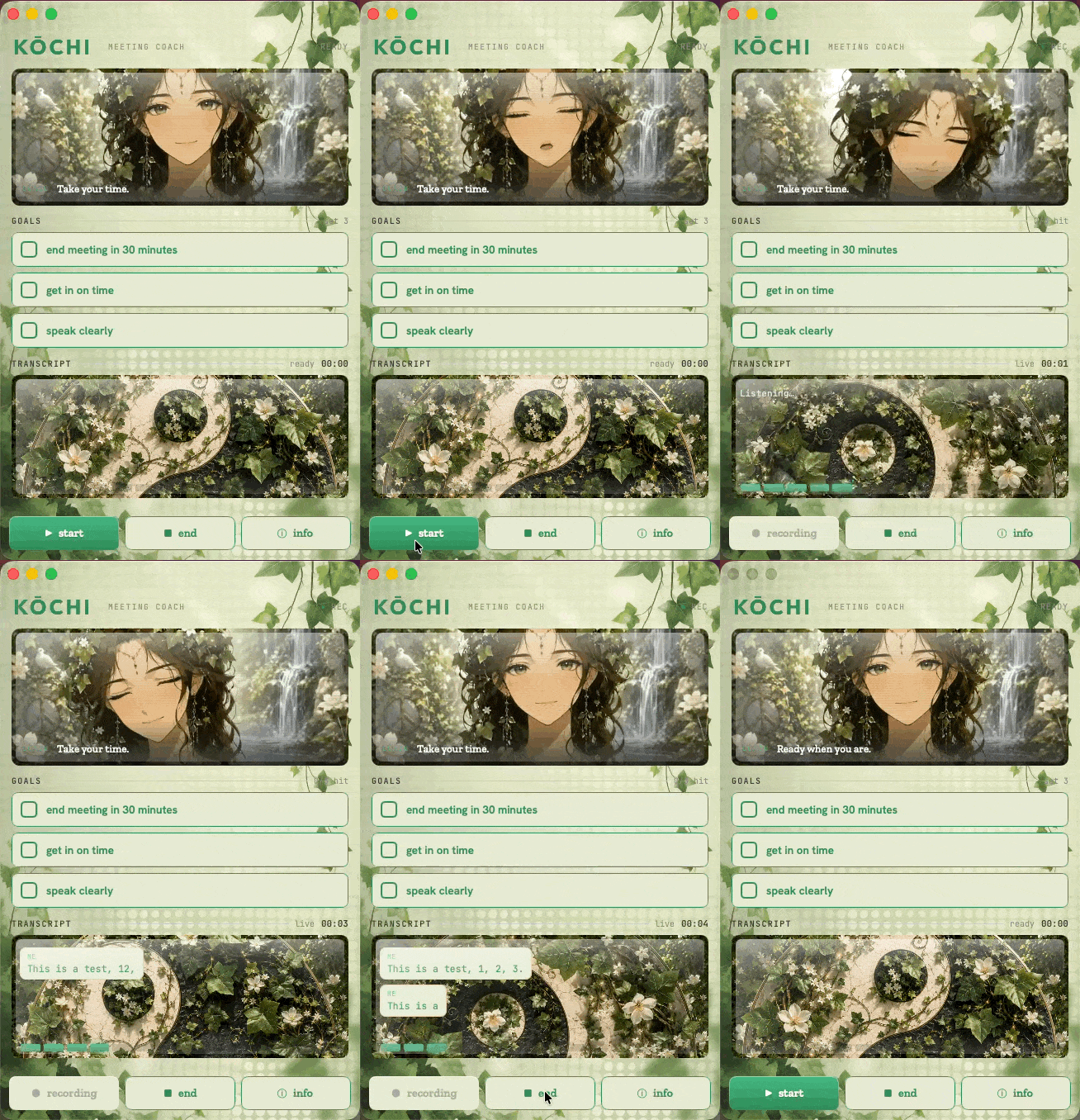
Five themes, one rule: your conversations stay on your device.
That's not a policy difference. It's an architecture difference. They can't promise what local-first can, no matter how the lawyers word it. This is the future worth reaching for — models good enough to run where your data already lives.
Your meetings are your meetings. Keep them.

Ship Week: Two Fresh AI Launches
It's Ship Week — launching Candidate-in-a-Box and Kōchi v1.5. Building, shipping, iterating. Every week.
I love Nibbles, The Tasty Video Converter
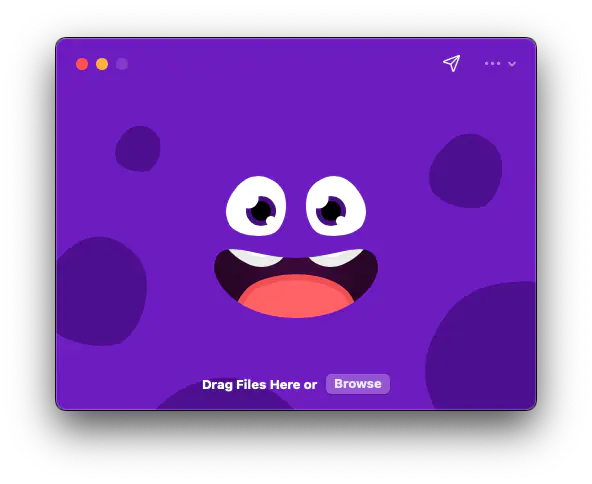
Count me as a huge fan of Nibbles, a privacy-focused video converter that brings playful interaction to the typically mundane task of video format conversion.
Mightie Football
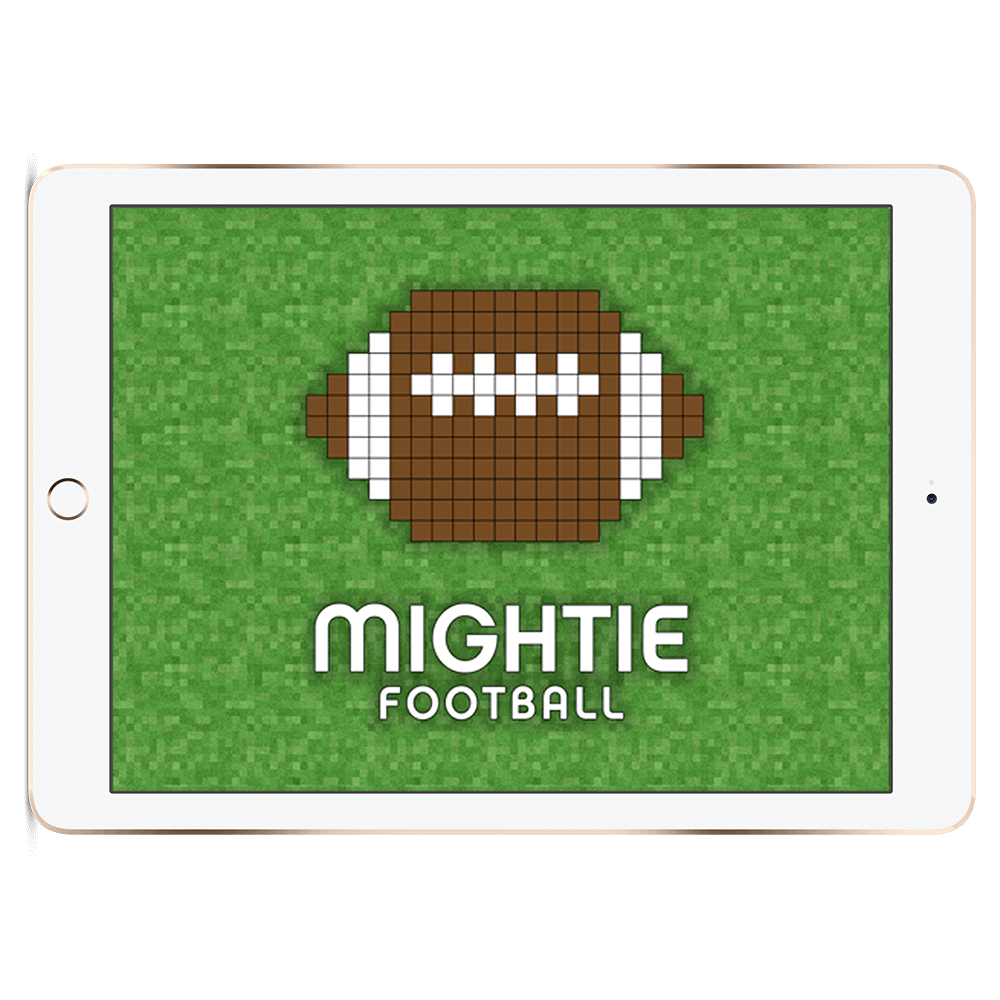
Mightie Football is an iPad application that allows flag football coaches the ability to show their players the routes to run. Most apps in this space are too complicated, visually unappealing and don’t properly address the audience of youth flag football players and their attention spans.
20 Builders, No Slides
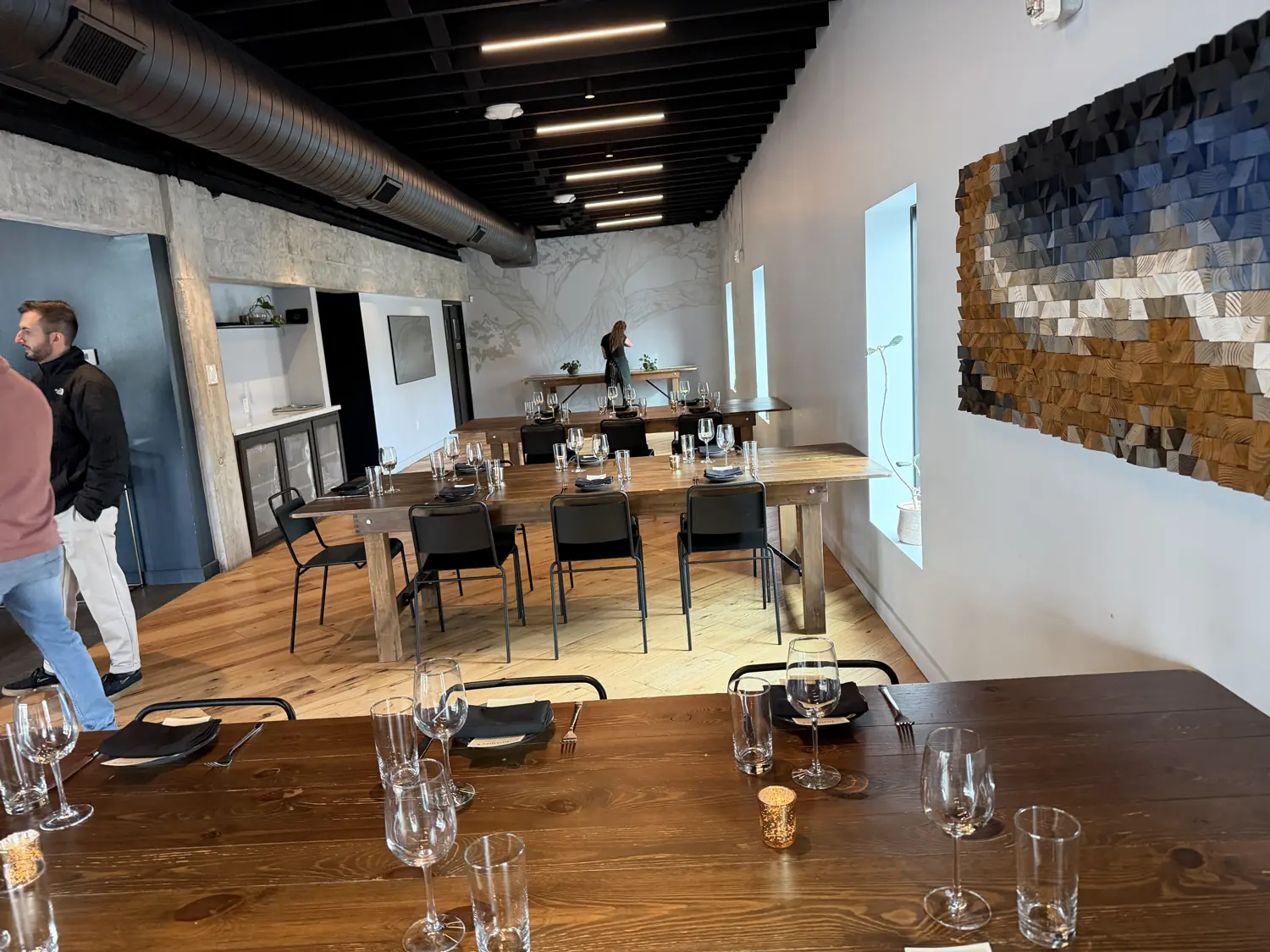
Google DeepMind and AI Tinkerers picked up the tab for 20 AI builders at Juniper during SXSW. Good food, good people, good shop talk.
GPT Image 2.5 Sunburst Refused Messi Twice
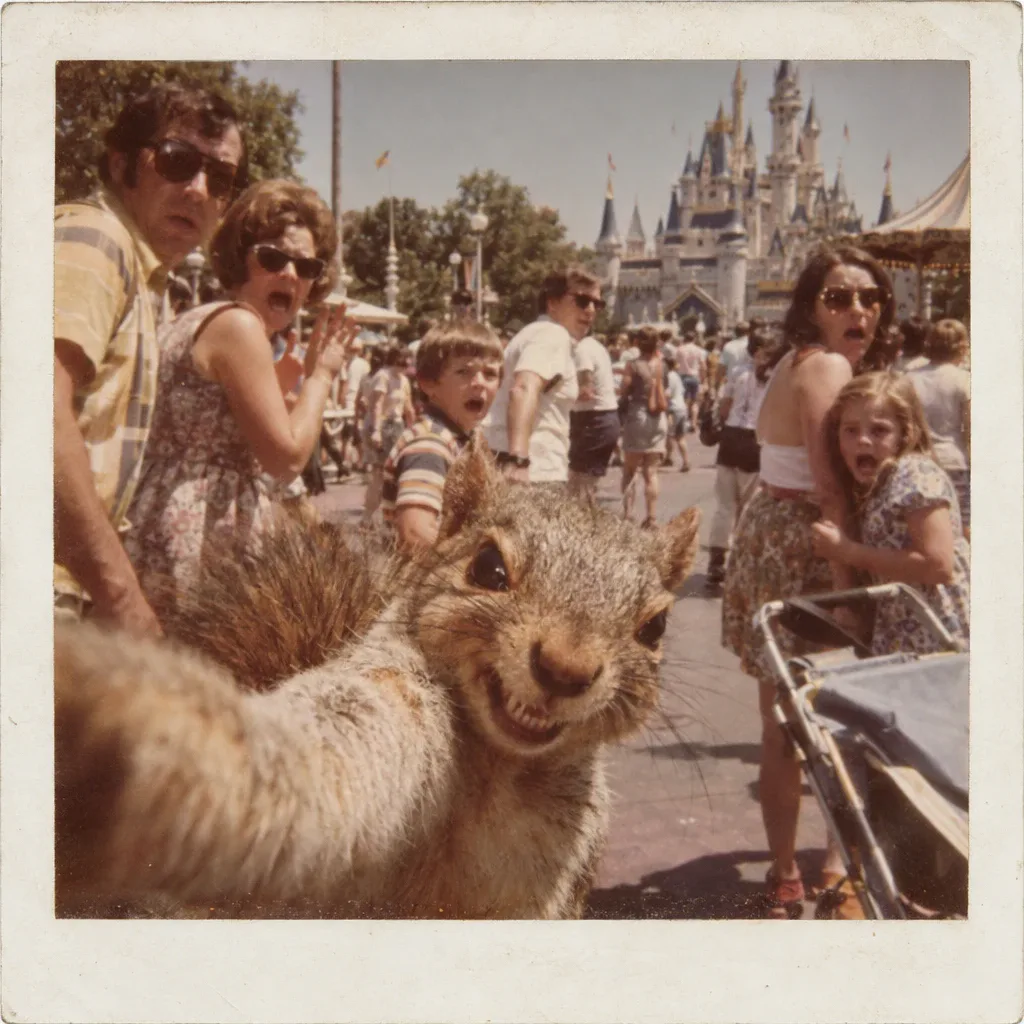
OpenAI shipped GPT Image 2.5 yesterday with two API tiers, Flare and Sunburst. I ran the slow one. Four gorgeous images, one empty slot, and a real squirrel at Cinderella Castle